
The ‘1 Nojor’ media platform is now live in beta, inviting users to explore and provide feedback as we continue to refine the experience.
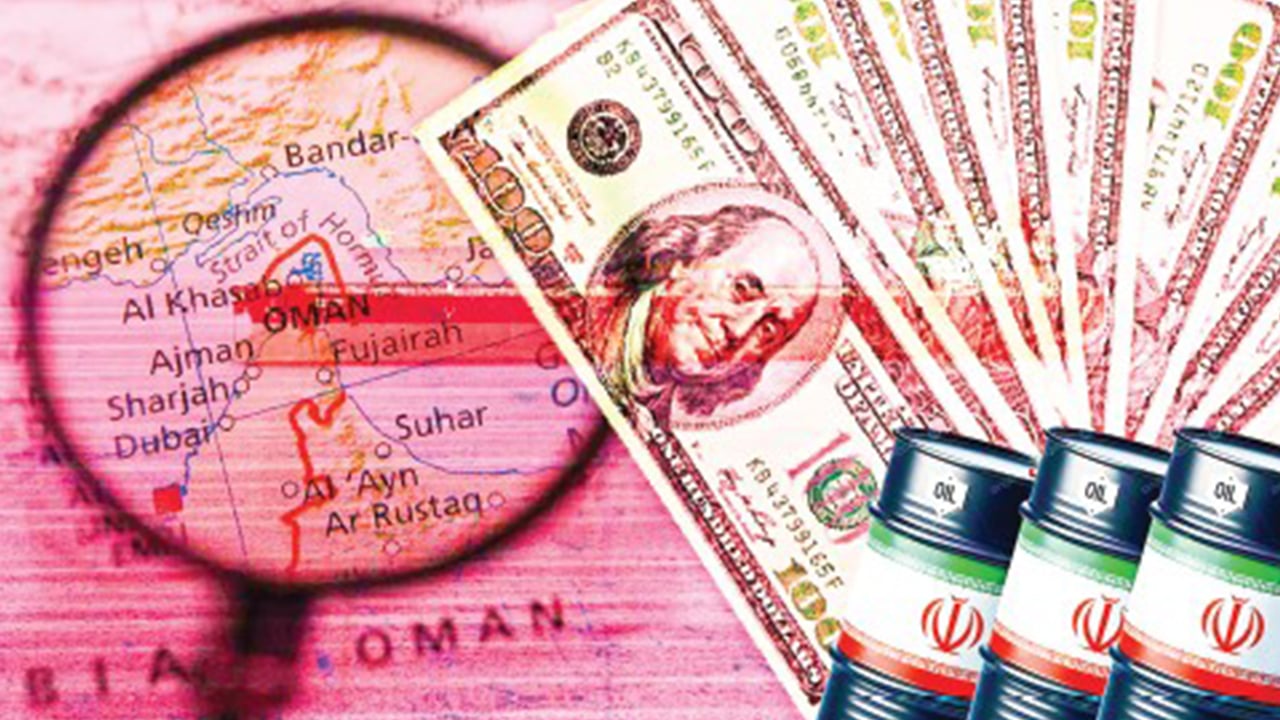
The U.S.-Israeli assault on Iran that began on February 28 has raised concerns about the stability of the petrodollar system, which has underpinned global oil trade since a 1974 U.S.-Gulf agreement. Analysts warn that Iran’s decision to impose yuan-based tariffs on oil shipments through the Strait of Hormuz could weaken the dollar’s role as the world’s primary energy currency. Deutsche Bank strategists noted that the conflict is testing the long-standing “oil-for-security” arrangement that has supported U.S. financial power for five decades.
Iran now controls access to the Hormuz Strait, through which 20 percent of global oil and gas normally pass. Tehran has restricted U.S. and Israeli-linked vessels while allowing limited passage to tankers paying in Chinese yuan. CNBC reported that Iran exported about 11.7 million barrels of crude to China since the conflict began. Meanwhile, China has increased its crude reserves to 1.2 billion barrels, enough for three to four months of demand.
Experts suggest the war could accelerate a shift toward a “petro-yuan” system, especially as global reserves diversify away from the dollar. Deutsche Bank’s Mallika Sachdeva described the conflict as marking the beginning of this transition.

The ‘1 Nojor’ media platform is now live in beta, inviting users to explore and provide feedback as we continue to refine the experience.