
The ‘1 Nojor’ media platform is now live in beta, inviting users to explore and provide feedback as we continue to refine the experience.
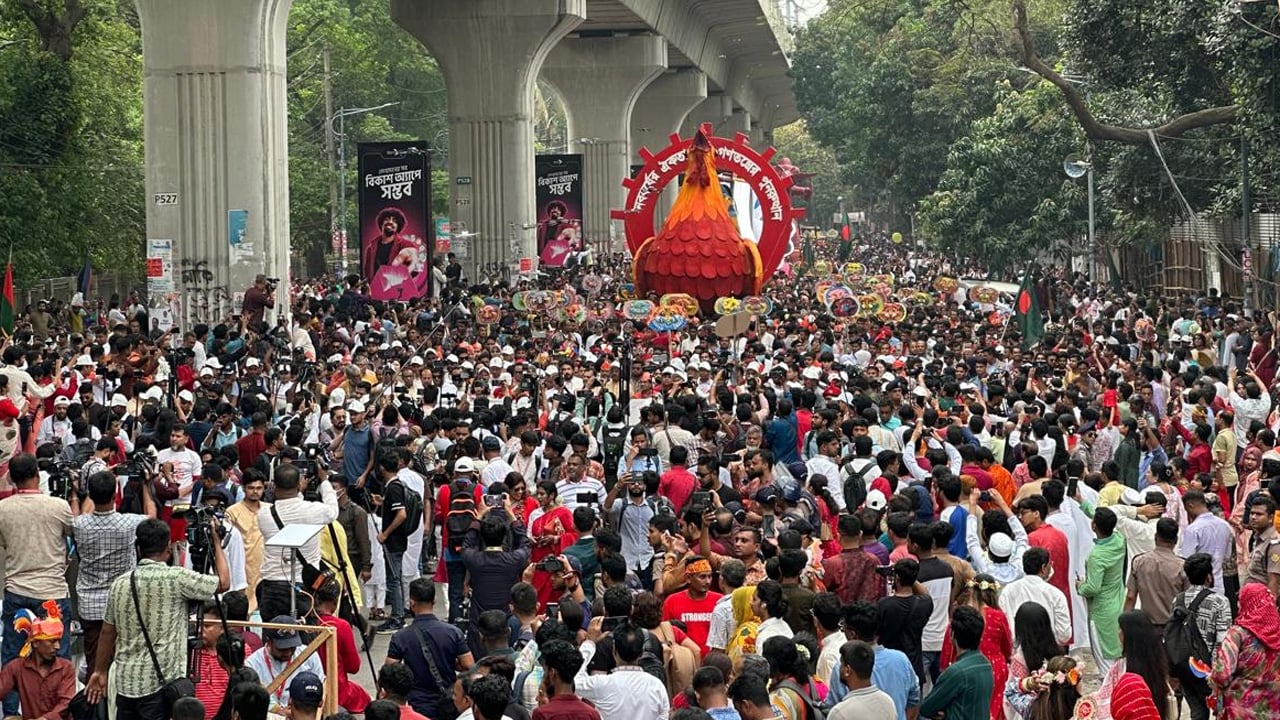
An article by Dr. Ahmad Anisur Rahman, published on April 14, 2026, discusses the cultural and historical roots of Pohela Boishakh, the Bangla New Year. The author emphasizes that like all cultural elements, the celebration’s value depends on its proper use and warns against distortions caused by foreign or colonial influences. He argues that national culture must serve the nation’s life and progress, not degenerate into irrelevant or harmful practices.
The essay traces the origin of the Bangla calendar, explaining that it was introduced around 1556 CE as a solar adaptation of the Islamic Hijri lunar calendar, known as the ‘Fasli’ year, to align with Bengal’s agricultural cycles. It contrasts this with the much older Indian Vikrami calendar, clarifying that the Bangla calendar is distinct and rooted in Bengal’s own socio-religious and economic context. The article also outlines the historical background of Bengal’s Muslim governance and its connection to the broader Islamic world through the Caliphate system.
The author concludes that preserving the authentic spirit of Pohela Boishakh requires awareness of its historical and cultural foundations to prevent misuse or cultural erosion.

The ‘1 Nojor’ media platform is now live in beta, inviting users to explore and provide feedback as we continue to refine the experience.