
The ‘1 Nojor’ media platform is now live in beta, inviting users to explore and provide feedback as we continue to refine the experience.
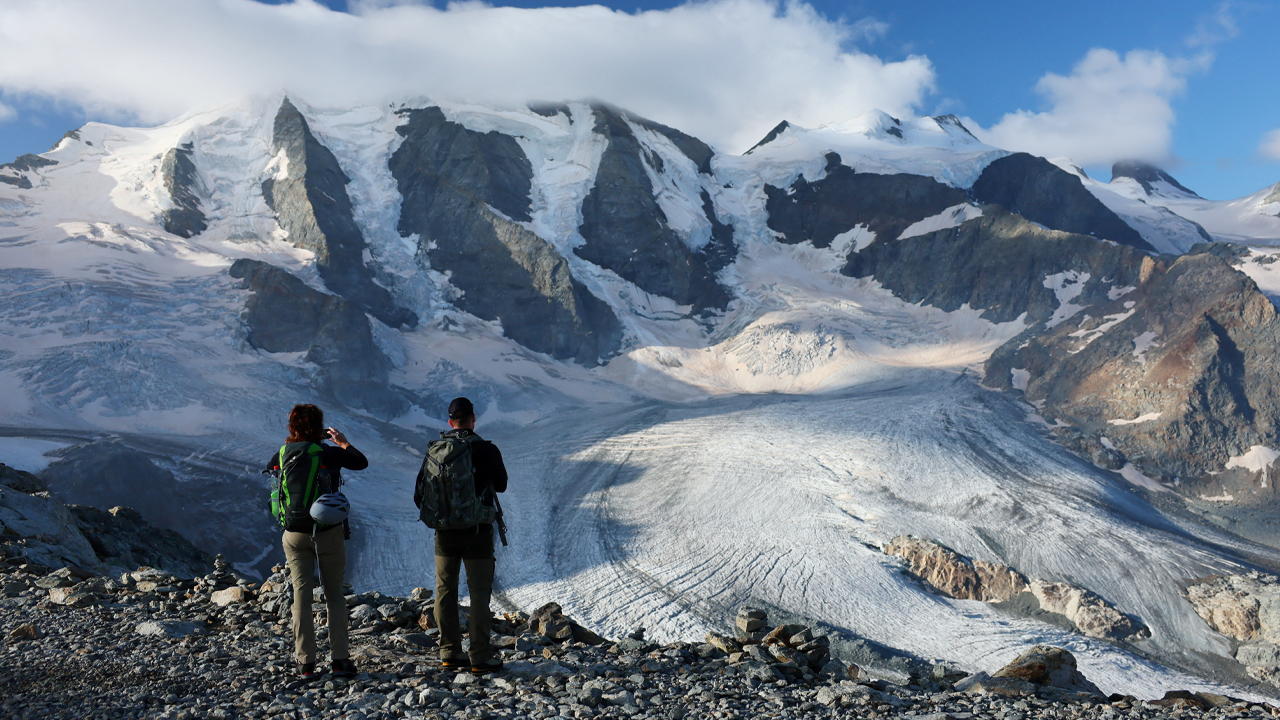
Switzerland’s glaciers are facing a severe crisis due to the ongoing European heatwave, with rapid ice loss expected this year, according to Matthias Huss, head of the Swiss glacier monitoring network GLAMOS. He told AFP that the snow and ice accumulated over the winter could melt completely by next Monday, marking the second earliest “Glacier Loss Day” on record. The melt is projected to continue through October, shrinking the glaciers of the Swiss Alps. The last time this date came earlier was in 2022, on June 26.
Experts cited the combination of the current heatwave, unusually warm weather in May, and below-average snowfall last winter as key factors worsening the situation. Huss reported that during a recent visit to the Rhône Glacier, about one meter of ice melted within ten days. He warned that prolonged high temperatures, not just a single heatwave, pose the greatest threat to glaciers.
Data show that between 2000 and 2024, Switzerland’s glacier volume has decreased by 38 percent. If global warming continues at the current rate, only remnants of ice may remain by 2100.

The ‘1 Nojor’ media platform is now live in beta, inviting users to explore and provide feedback as we continue to refine the experience.