
The ‘1 Nojor’ media platform is now live in beta, inviting users to explore and provide feedback as we continue to refine the experience.
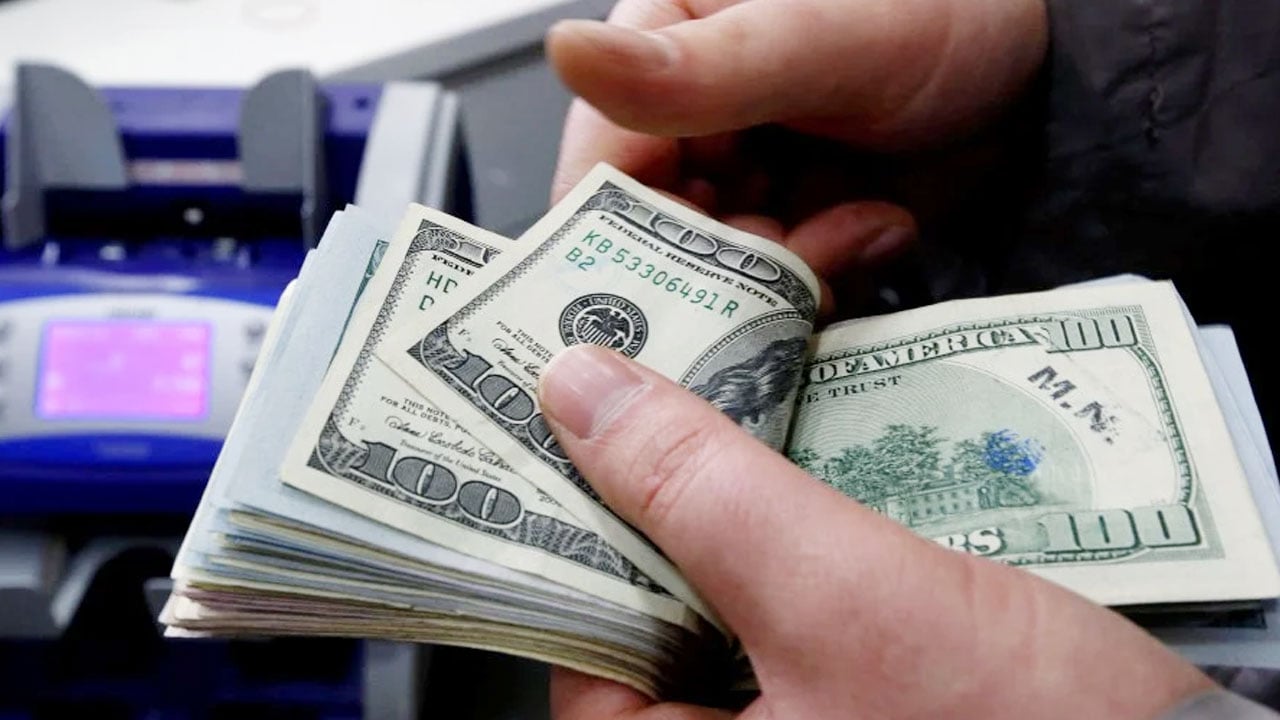
Bangladesh’s economy, under pressure from declining exports, weak private investment, and rising non-performing loans, is being sustained largely by record remittance inflows. According to Bangladesh Bank, expatriates sent $29.59 billion up to November 2024, an 18% increase from the previous year. Following the July 2024 political transition, remittance inflows surged by over 46%, helping foreign exchange reserves rise from $22 billion to nearly $32 billion.
Economists such as Dr. Zahid Hossain and Dr. Helal Uddin Ahmed note that remittances have stabilized the exchange rate and improved the balance of payments, offsetting weaknesses in exports and investment. Analysts attribute the surge to reduced money laundering, tighter monitoring, and a narrower gap between formal and informal dollar markets. Policy Exchange Bangladesh Chairman Masrur Riaz described the remittance boom as a “lifeline” for the economy.
Despite the relief, experts warn that gas shortages, export contraction, and slow investment continue to threaten recovery. They urge diversification of labor markets and skill development to sustain remittance growth and macroeconomic stability.

The ‘1 Nojor’ media platform is now live in beta, inviting users to explore and provide feedback as we continue to refine the experience.