
The ‘1 Nojor’ media platform is now live in beta, inviting users to explore and provide feedback as we continue to refine the experience.
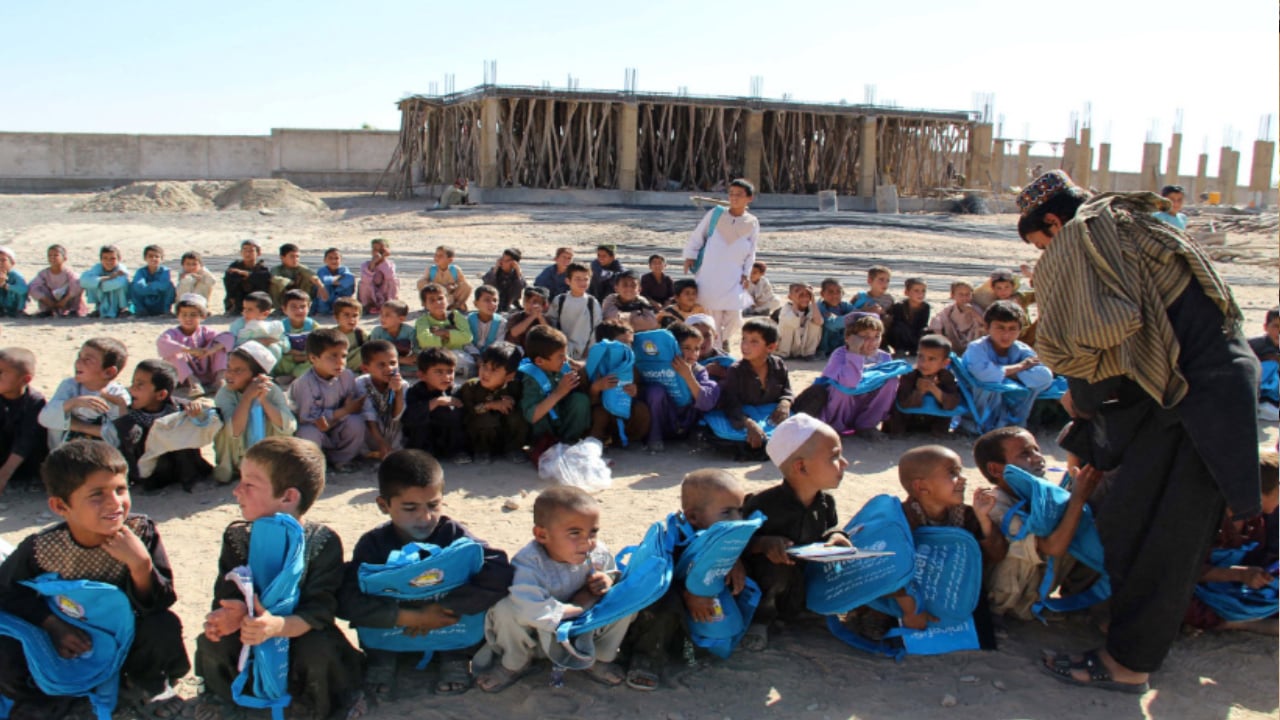
UNICEF has warned that malnutrition in Afghanistan has reached alarming levels, with 3.7 million children suffering from acute malnutrition and nearly one million facing life-threatening severe conditions. The agency said the rise in child malnutrition in 2026 began several months earlier than in other years, raising concern that Afghanistan is heading toward one of its most serious recent nutrition crises.
Children aged six months to two years are particularly affected by a lack of dietary diversity. UNICEF research found that these children receive food from only two of the required main food groups, putting their normal physical and mental development at risk. Long-standing poverty, food and water shortages, climate impacts, displacement and reduced international humanitarian assistance are cited as major drivers.
More than six million people have returned to Afghanistan from Iran and Pakistan since 2023, adding pressure to weak health and social services. Droughts and floods have damaged farmland, while falling groundwater levels have worsened access to safe water and contributed to disease. Afghanistan's 2026 nutrition programme needs about $180 million, but only 22 percent has been funded, forcing some nutrition centres to close or limit operations.

The ‘1 Nojor’ media platform is now live in beta, inviting users to explore and provide feedback as we continue to refine the experience.