
The ‘1 Nojor’ media platform is now live in beta, inviting users to explore and provide feedback as we continue to refine the experience.
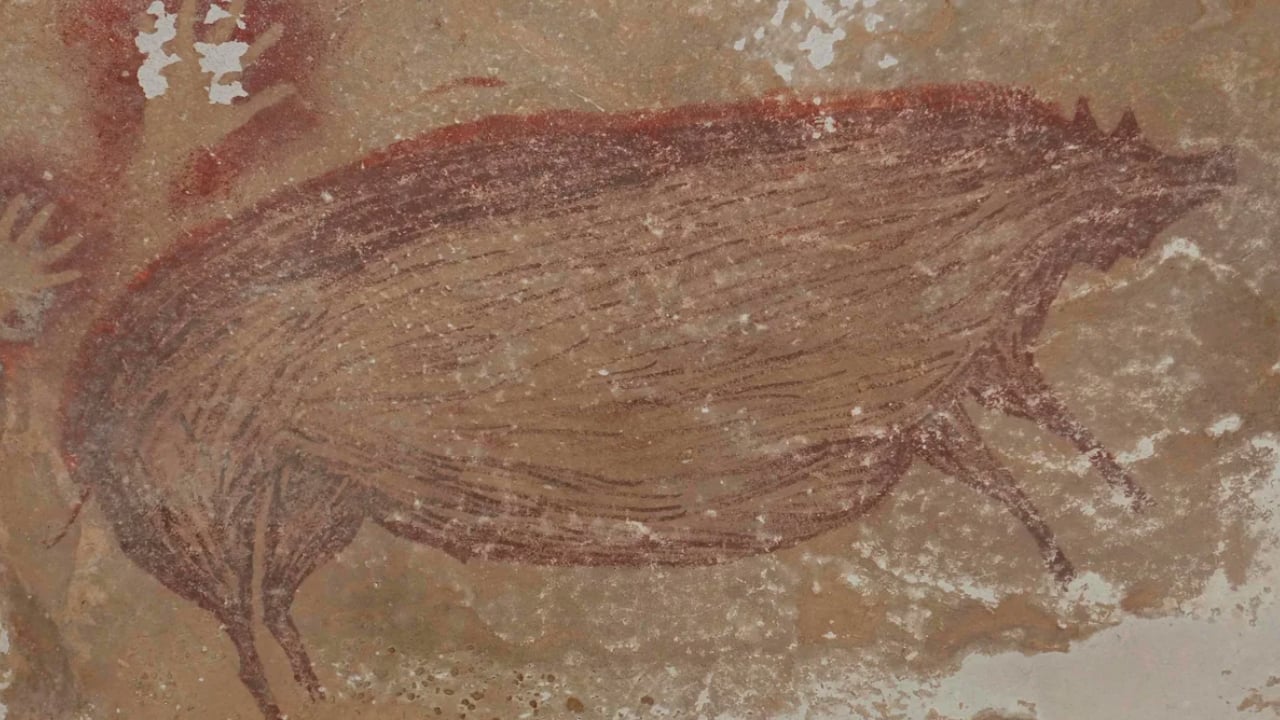
Archaeologists have identified a red hand stencil on a cave wall in Indonesia as the world’s oldest known cave painting. The discovery, published in the journal Nature, was made by Indonesian and Australian researchers who determined the artwork to be at least 67,800 years old. The team, led by Indonesia’s Adhi Agus Oktaviana and Australia’s Maxime Aubert, conducted fieldwork on Muna Island in Sulawesi province, using uranium-thorium dating on small limestone deposits known as “cave popcorn.”
The study found that the handprints were created by blowing pigment over hands pressed against the cave wall, leaving a clear silhouette. The painting predates similar Neanderthal-associated hand stencils in Spain by about a thousand years, though the Spanish dating remains disputed. Researchers also discovered that the caves were reused for painting over tens of thousands of years, with newer images drawn atop older ones.
According to the study, the finding provides new insight into how early Homo sapiens reached Australia, supporting theories that modern humans were present in Indonesian islands around 65,000 years ago and possibly linked to the ancestors of Indigenous Australians.

The ‘1 Nojor’ media platform is now live in beta, inviting users to explore and provide feedback as we continue to refine the experience.