
The ‘1 Nojor’ media platform is now live in beta, inviting users to explore and provide feedback as we continue to refine the experience.
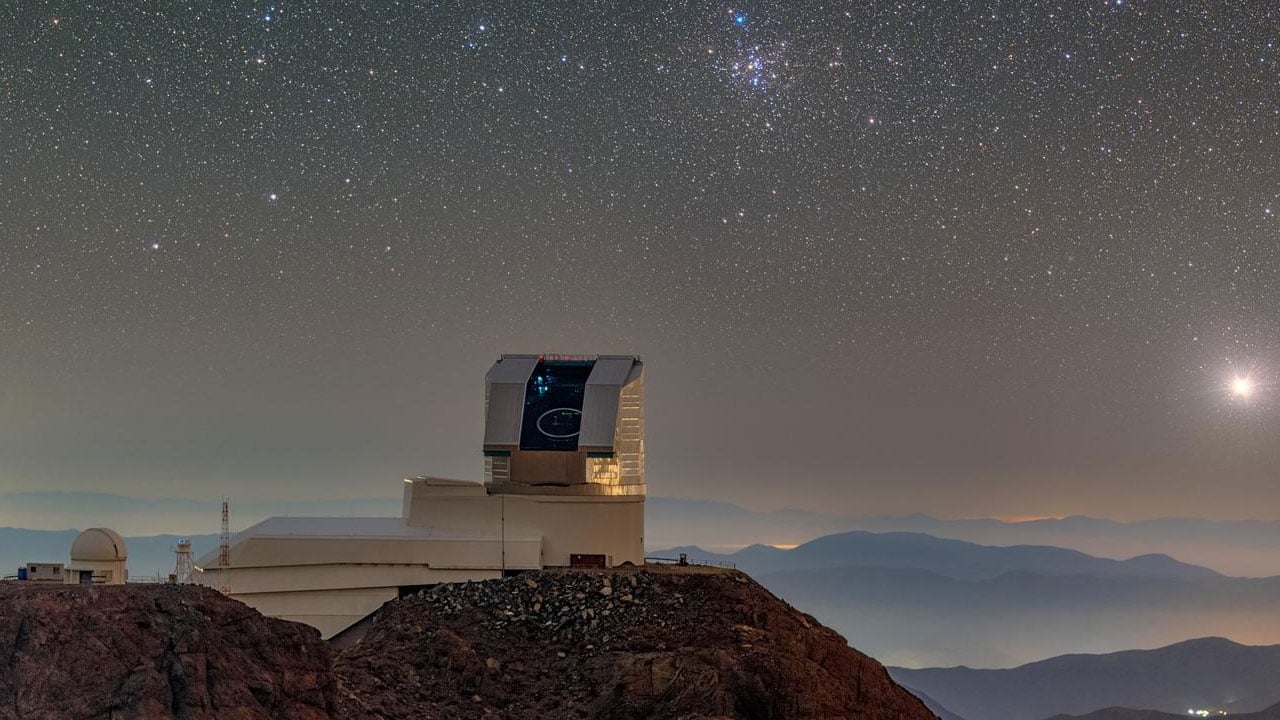
Chile’s Vera C. Rubin Observatory has released its clearest image yet of the COSMOS Field, one of the most intensively studied regions of the sky. The cosmic image shows more than 500,000 galaxies and over 50,000 stars in a single composite frame. It was produced with the 3.2-gigapixel, or 3,200-megapixel, LSST camera, described as the world’s largest digital camera, attached to the observatory’s 8.4-metre Simonyi Survey Telescope.
The result is not a single exposure. Hundreds of separate images were stacked to create a long exposure that makes faint light in space visible. The frame includes spiral galaxies, smooth elliptical galaxies, galaxies undergoing collisions, and reddish, faint galaxies from the early universe. A handful of bright foreground stars from the Milky Way add to the image’s visual variety.
The COSMOS Field has been studied for more than two decades since Hubble Space Telescope observations began in 2003, with data gathered across wavelengths from radio to X-rays. Rubin’s contribution is deep, wide and repeated observation under its 10-year Legacy Survey of Space and Time. Director Bob Blum said the image is only the beginning, with continued observations expected to enable discoveries of further cosmic events.

The ‘1 Nojor’ media platform is now live in beta, inviting users to explore and provide feedback as we continue to refine the experience.