
The ‘1 Nojor’ media platform is now live in beta, inviting users to explore and provide feedback as we continue to refine the experience.
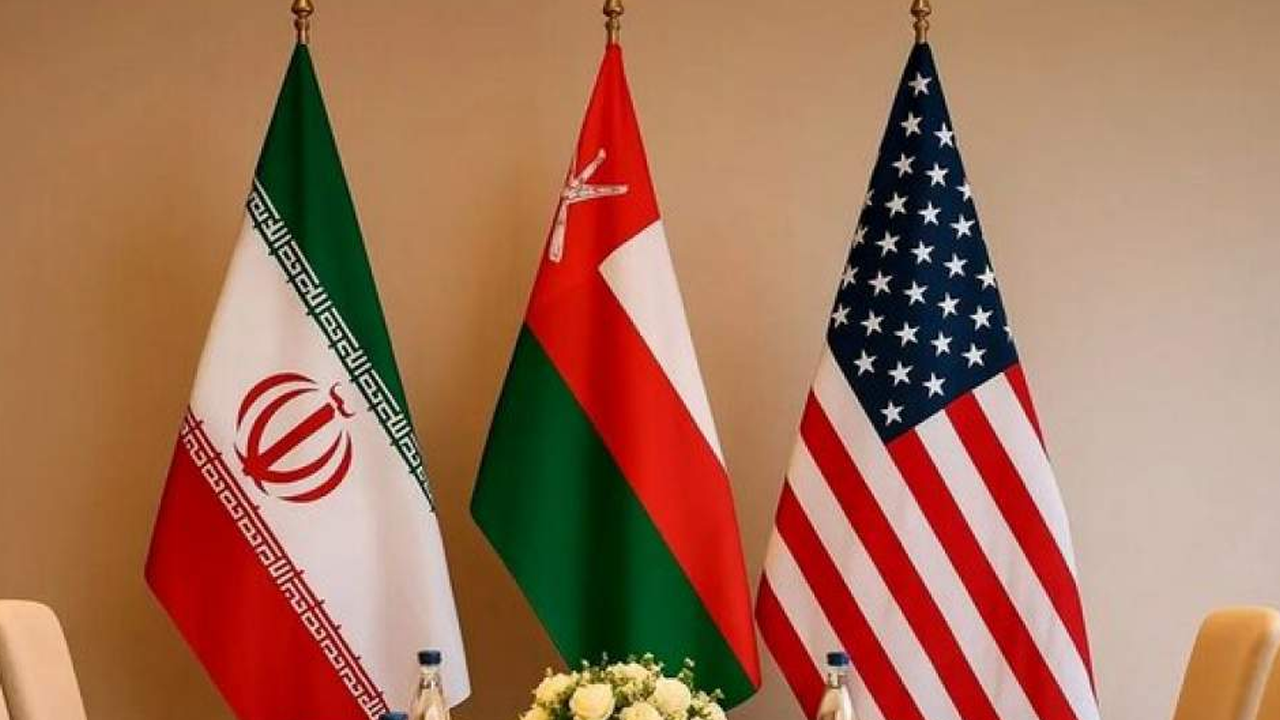
Oman has come under geopolitical pressure after Iran claimed it was coordinating with Muscat on the future management of the Strait of Hormuz and the imposition of shipping tolls. The disputed waterway, through which about one-fifth of global seaborne oil passes, has been blocked for ten weeks following a U.S.-Israeli attack on Iran in February. Washington has rejected any permanent solution that involves paying tolls to Iran, asserting that Oman shares the same stance.
Iranian Foreign Minister Abbas Araghchi recently described the strait as a shared waterway between Iran and Oman, denying the existence of international waters there. Western diplomats have criticized Tehran’s proposals as illegal, arguing they would allow Iran to discriminate among vessels and violate UN sanctions. Meanwhile, France and the United Kingdom have presented Oman with an alternative plan emphasizing freedom of navigation, supported by most Gulf states.
The deadlock centers on whether coastal states can legally impose tolls. Iran has not ratified the 1982 UN Convention on the Law of the Sea and insists it is governed by customary law. Tehran’s new Persian Gulf Strait Authority expects to generate revenue through registration fees, while uncertainty remains over China’s compliance with Iranian conditions.

The ‘1 Nojor’ media platform is now live in beta, inviting users to explore and provide feedback as we continue to refine the experience.