
The ‘1 Nojor’ media platform is now live in beta, inviting users to explore and provide feedback as we continue to refine the experience.
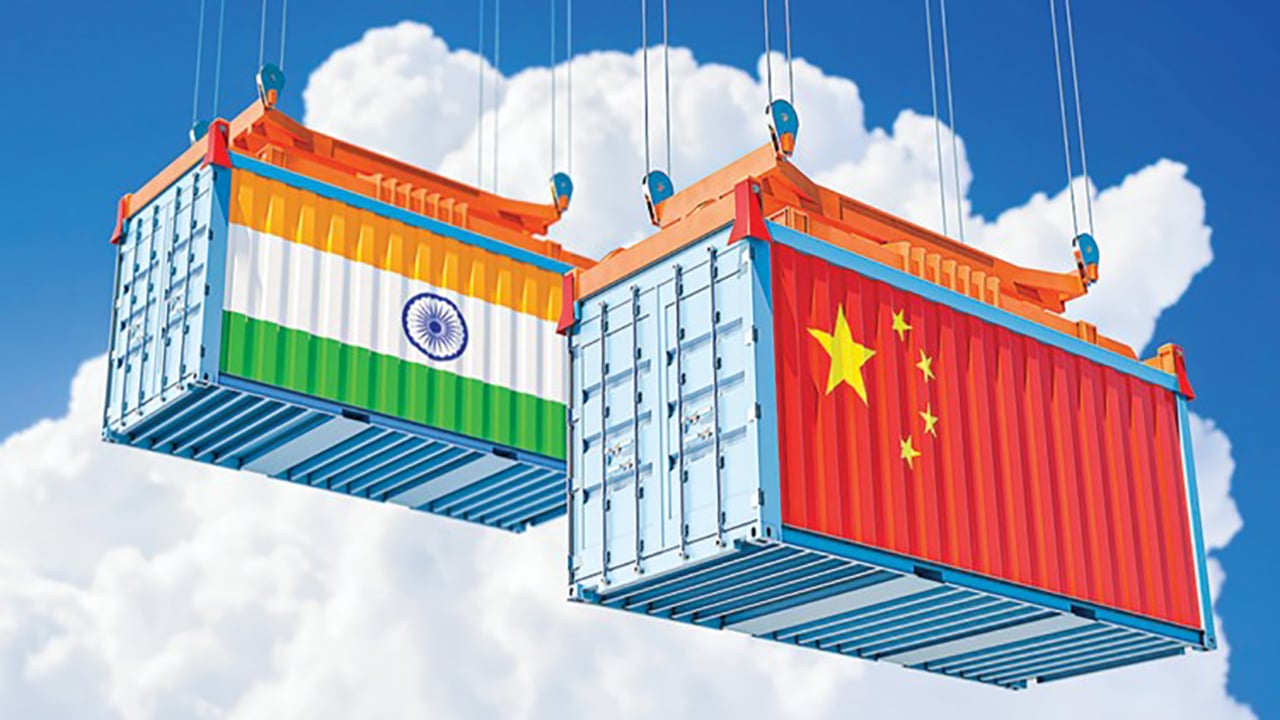
A recent report by India’s government think tank NITI Aayog has revealed that despite producing about 20 percent of the world’s generic medicines, India remains heavily dependent on China for key raw materials. The report highlights that over 65 percent of key starting materials and active pharmaceutical ingredients used in Indian drug manufacturing come from China, with dependency exceeding 85 percent for critical drugs such as antibiotics and fever medicines. This structural reliance poses a major risk to India’s pharmaceutical supply chain, which could be disrupted by geopolitical tensions or trade restrictions.
The report contrasts India’s global reputation as the “pharmacy of the world” with its limited financial returns and fragile industrial base. It notes that while India supplies around 60 percent of global vaccines, its share in the vaccine market’s total value is only 0.6 percent. NITI Aayog attributes this imbalance to low research and development investment, bureaucratic hurdles, and restrictive environmental regulations that have driven manufacturers to import cheaper Chinese materials.
The analysis warns that without sustained R&D investment, streamlined patent processes, and practical environmental policies, India’s “Made in India” initiative will remain dependent on “Made in China.”

The ‘1 Nojor’ media platform is now live in beta, inviting users to explore and provide feedback as we continue to refine the experience.