
The ‘1 Nojor’ media platform is now live in beta, inviting users to explore and provide feedback as we continue to refine the experience.
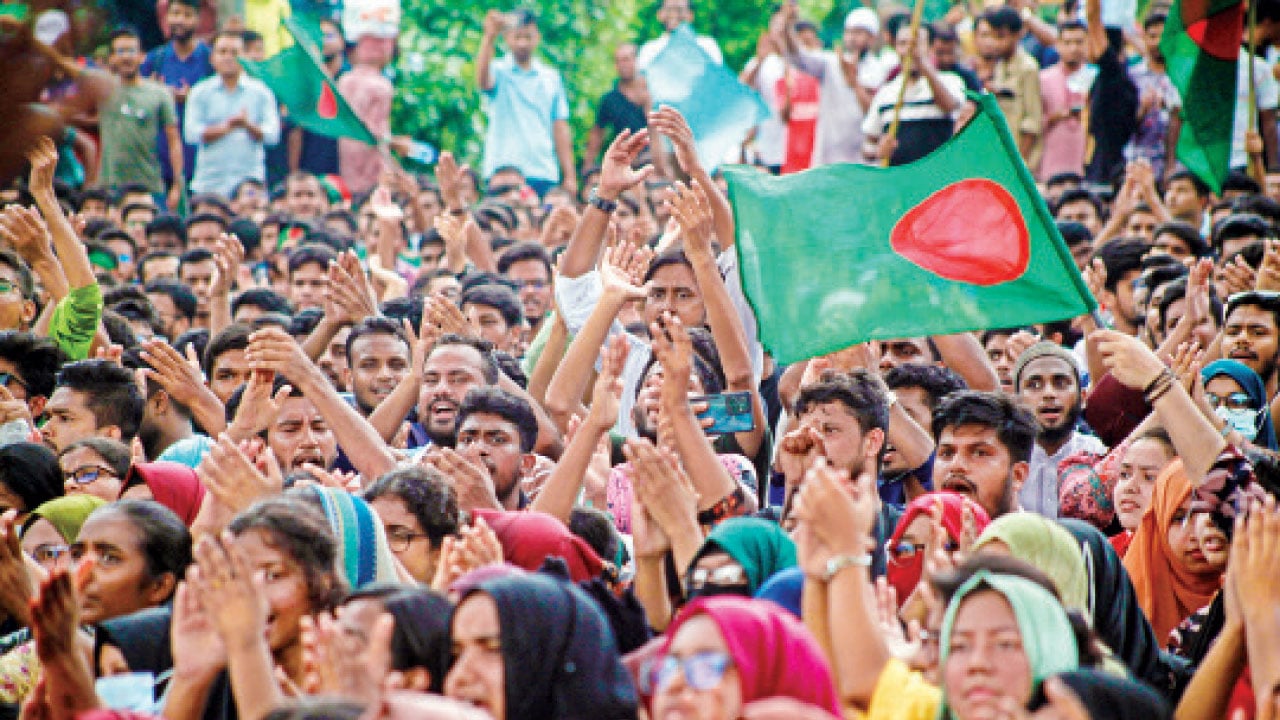
In an article published on August 4, 2026, Rajshahi University social work professor Dr. Md. Fakhrul Islam describes Bangladesh’s 2024 “July 36” as a major political milestone. He writes that an movement initially centred on reforming public-service job quotas expanded into a broad expression of demands for democratic accountability, citizen rights and a renewed relationship between the state and its people. The article characterises it as a generational political emergence and a mass uprising.
The author says employment pressures, questions over administrative accountability, political polarisation and young people’s uncertainty about the future widened the movement’s social base. Students were joined in solidarity by teachers, parents, lawyers, doctors, artists, writers, workers, members of the public and Bangladeshis living abroad. Smartphones, live video, social media and citizen journalism, he argues, gave the events a digital character and rapidly brought them into international discussion.
Islam says political instability can affect investment, trade, development cooperation and a country’s international image. He calls for balancing international cooperation with protection of national interests and an independent foreign policy. The article argues that durable change requires institutional reform in the judiciary, electoral system, administration, police, education and economic structures, alongside impartial research and preservation of historical information.

The ‘1 Nojor’ media platform is now live in beta, inviting users to explore and provide feedback as we continue to refine the experience.