
The ‘1 Nojor’ media platform is now live in beta, inviting users to explore and provide feedback as we continue to refine the experience.
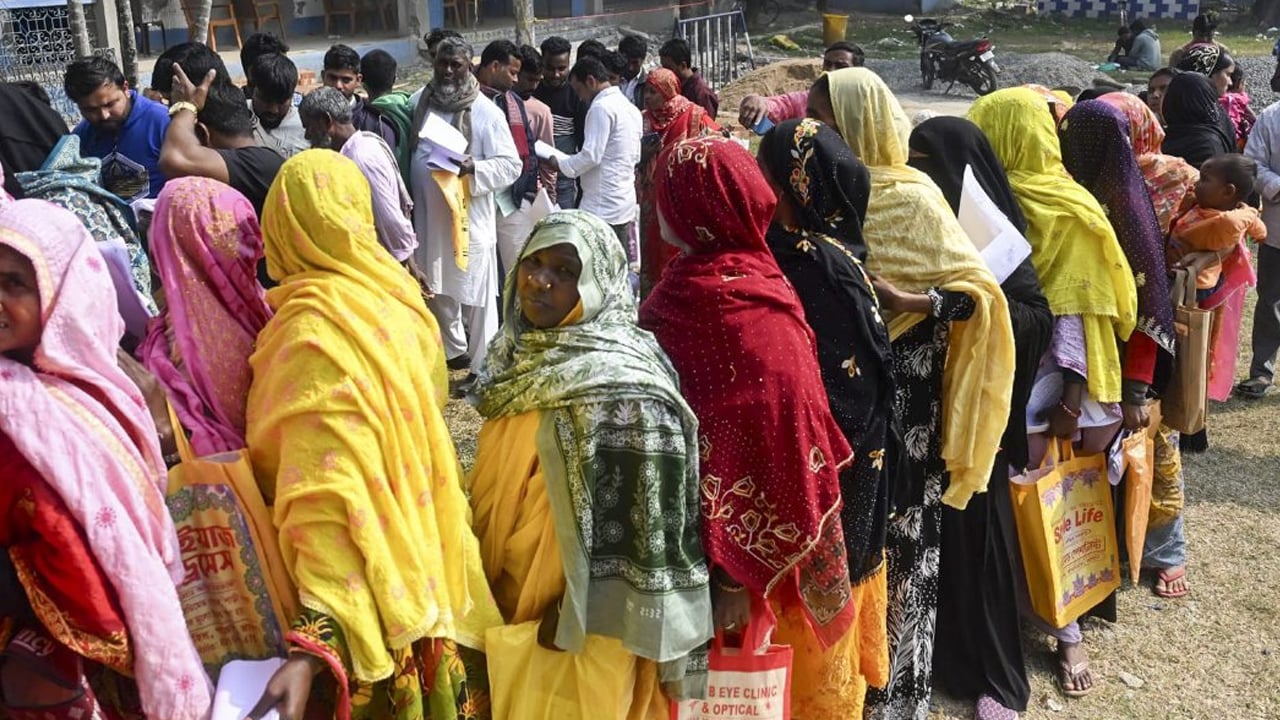
Millions of voters in India’s West Bengal have reportedly lost their voting rights ahead of this week’s crucial state elections following a controversial electoral revision. Over 9.1 million names, more than 10 percent of the electorate, were removed from the rolls under the Special Intensive Revision (SIR) process. Critics have described the move as a “bloodless political genocide,” alleging that Muslim and other minority voters were disproportionately targeted. The ruling Bharatiya Janata Party (BJP) has defended the process as necessary to prevent illegal voting by alleged infiltrators.
Opposition leaders, election experts, and civil society organizations have condemned the deletions as unconstitutional and politically motivated. Former Election Commissioner S.Y. Quraishi called the SIR unnecessary and administratively disastrous, warning that an AI-assisted algorithm used to flag “logical inconsistencies” in voter data ignored linguistic and cultural nuances. Affected citizens, including government employees and retired security personnel, said their names were removed despite valid documentation.
Legal challenges are underway, but few appeals have been heard before voting begins. Analysts warn that the mass disenfranchisement could reshape India’s democratic participation, creating a divided polity where minorities are systematically excluded from the political process.

The ‘1 Nojor’ media platform is now live in beta, inviting users to explore and provide feedback as we continue to refine the experience.