
The ‘1 Nojor’ media platform is now live in beta, inviting users to explore and provide feedback as we continue to refine the experience.
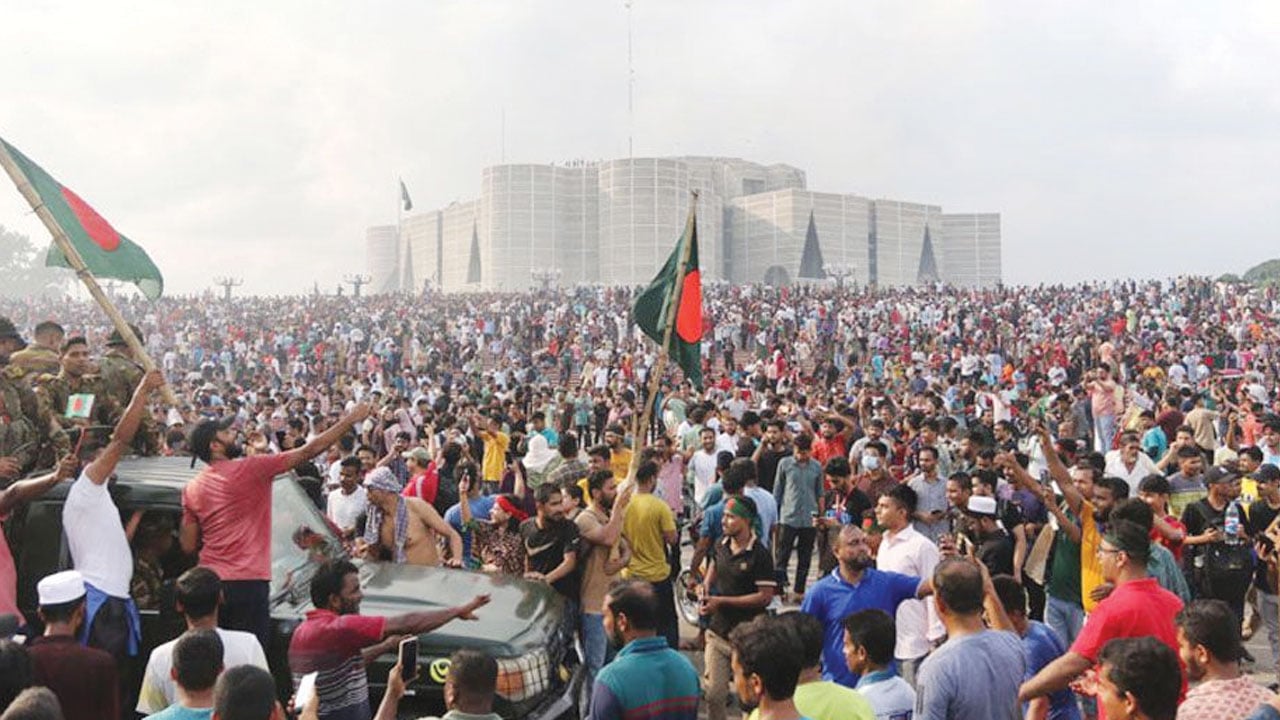
In a column published on July 21, 2026, writer Kakon Reza criticized what he described as selective protests and attempts to rehabilitate supporters of a former fascist regime in Bangladesh. The article referenced a debate sparked by cartoonist Mehedi Haque’s depiction of July’s revolutionary events and the reactions of individuals such as Nadim Mahmud, who defended the cartoon under the banner of free speech. Reza argued that freedom of expression allows both criticism and counter-criticism, and that defending actions sympathetic to a banned fascist group could legitimately provoke public anger.
The writer accused Mahmud and others of being beneficiaries of the previous regime and of practicing selective protest by ignoring injustices committed under that government. Drawing parallels with Germany’s post-war ban on the Nazi Party, Reza argued that fascist ideologies—marked by racism, hatred, militarism, and dictatorship—should remain legally prohibited. He cited reports from the United Nations Human Rights Commission that allegedly identified the former regime’s leaders as violators of human rights.
Reza concluded that any effort to normalize or rehabilitate fascist politics in Bangladesh contradicts democratic principles and international human rights standards.

The ‘1 Nojor’ media platform is now live in beta, inviting users to explore and provide feedback as we continue to refine the experience.