
The ‘1 Nojor’ media platform is now live in beta, inviting users to explore and provide feedback as we continue to refine the experience.
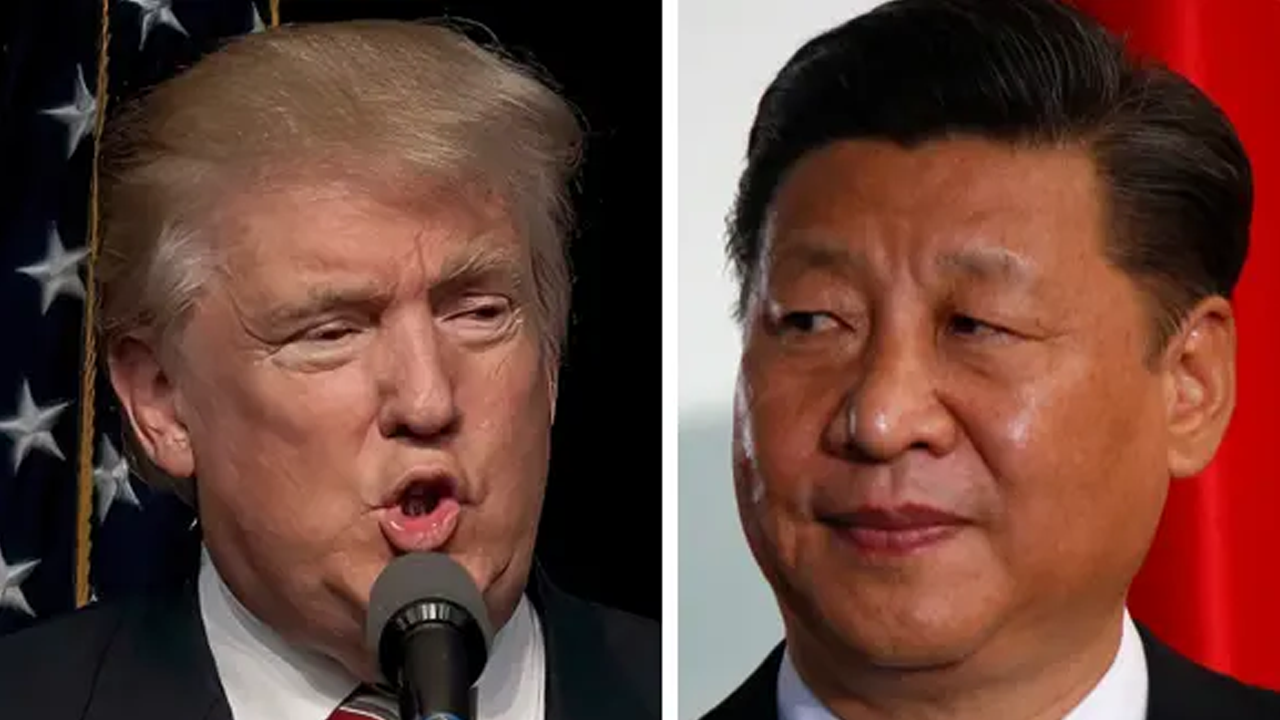
During a meeting in Beijing, U.S. President Donald Trump and Chinese President Xi Jinping discussed trade issues, but a proposed $14 billion arms deal for Taiwan complicated the talks. The deal, pending for some time, now depends on the outcome of their discussions. It includes counter-drone equipment, an integrated battle command system, and medium-range ammunition.
A significant number of U.S. lawmakers, including Senator Andy Kim, have urged President Trump to move forward with the sale, arguing that the weapons are vital for Taiwan’s self-defense and should not be used as a bargaining tool in trade or diplomatic negotiations with China. The inclusion of the arms deal in the Trump–Xi agenda has raised new concerns about potential policy shifts.
Analysts warn that revisiting the long-standing U.S. policy—established during Ronald Reagan’s presidency—of not consulting Beijing on Taiwan arms sales could mark a major departure in foreign policy. The outcome of Trump’s Beijing visit may influence both U.S.–China relations and the broader regional geopolitical balance.

The ‘1 Nojor’ media platform is now live in beta, inviting users to explore and provide feedback as we continue to refine the experience.