
The ‘1 Nojor’ media platform is now live in beta, inviting users to explore and provide feedback as we continue to refine the experience.
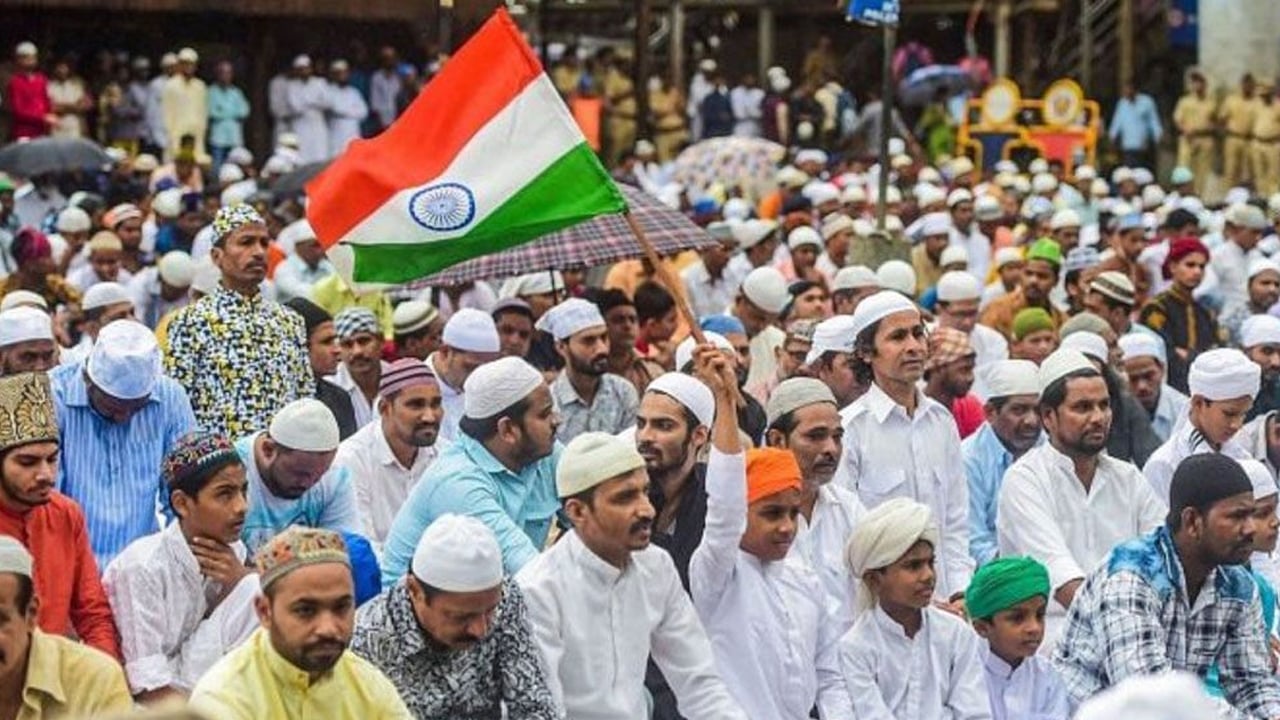
A recent incident in Bihar, where Chief Minister Nitish Kumar publicly removed a Muslim doctor’s hijab during a state event, has reignited concerns over deep-rooted Islamophobia within India’s political establishment. Over the past decade, from 2015 to 2025, communal violence targeting Muslims has become increasingly systemic, with independent trackers estimating at least 70–80 Muslim deaths linked to mob attacks and hate crimes. Official data from the National Crime Records Bureau (NCRB) omits religion-specific figures, obscuring the true scale of the violence.
Analysts and human rights advocates argue that such attacks are not isolated but reflect a pattern of state-enabled impunity. Common triggers include rumors of cow slaughter, interfaith relationships, and inflammatory political rhetoric. Experts like Dr. Muzammil Ayub Thakur and Dr. Mohammad Ashrafuluzzaman warn that the ruling Bharatiya Janata Party (BJP) and its ideological affiliates have normalized hate speech and discriminatory laws, including the 2025 Waqf Amendment Act.
Observers fear that without transparent data and judicial accountability, India’s secular fabric will continue to erode, leaving minority communities vulnerable and distrustful of state institutions.

The ‘1 Nojor’ media platform is now live in beta, inviting users to explore and provide feedback as we continue to refine the experience.