
The ‘1 Nojor’ media platform is now live in beta, inviting users to explore and provide feedback as we continue to refine the experience.
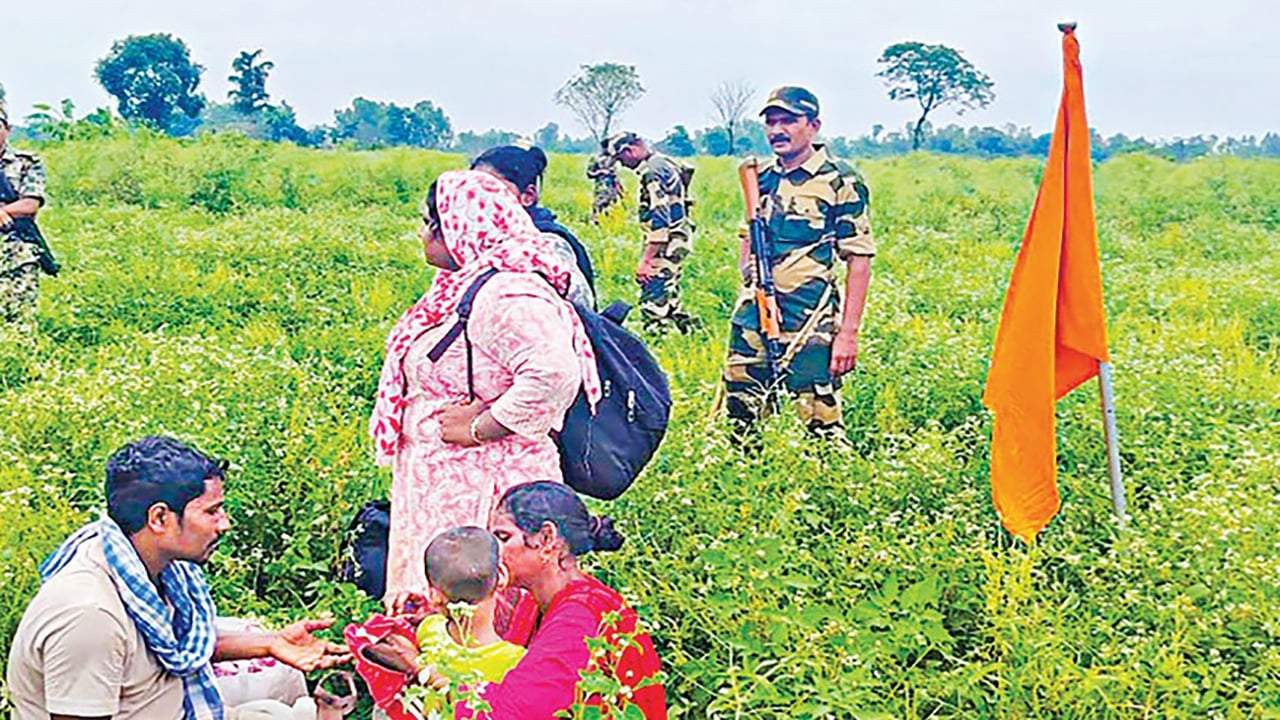
The article reports that incidents of forced cross-border expulsions, known as 'push-in', have resurfaced along vulnerable stretches of the India-Bangladesh border. According to the report, groups of men, women, and children are allegedly coerced at night to cross into Bangladesh, often left stranded in the no-man’s land without food or water when denied entry. The practice, described as state-managed human trafficking, violates international border management norms and bilateral agreements.
The report argues that such actions reflect India’s continued use of coercive diplomacy toward Bangladesh, aimed at exerting pressure during bilateral negotiations. It notes that these operations had largely subsided under Sheikh Hasina’s government, which maintained close alignment with New Delhi. However, following Hasina’s fall and the formation of Prime Minister Tarique Rahman’s new government, border tensions have reportedly intensified as India seeks to re-engage with Dhaka.
The commentary concludes that India’s persistence with outdated strategies like 'push-in' undermines its regional image and risks alienating a new generation of Bangladeshis seeking equitable relations with their larger neighbor.

The ‘1 Nojor’ media platform is now live in beta, inviting users to explore and provide feedback as we continue to refine the experience.