
The ‘1 Nojor’ media platform is now live in beta, inviting users to explore and provide feedback as we continue to refine the experience.
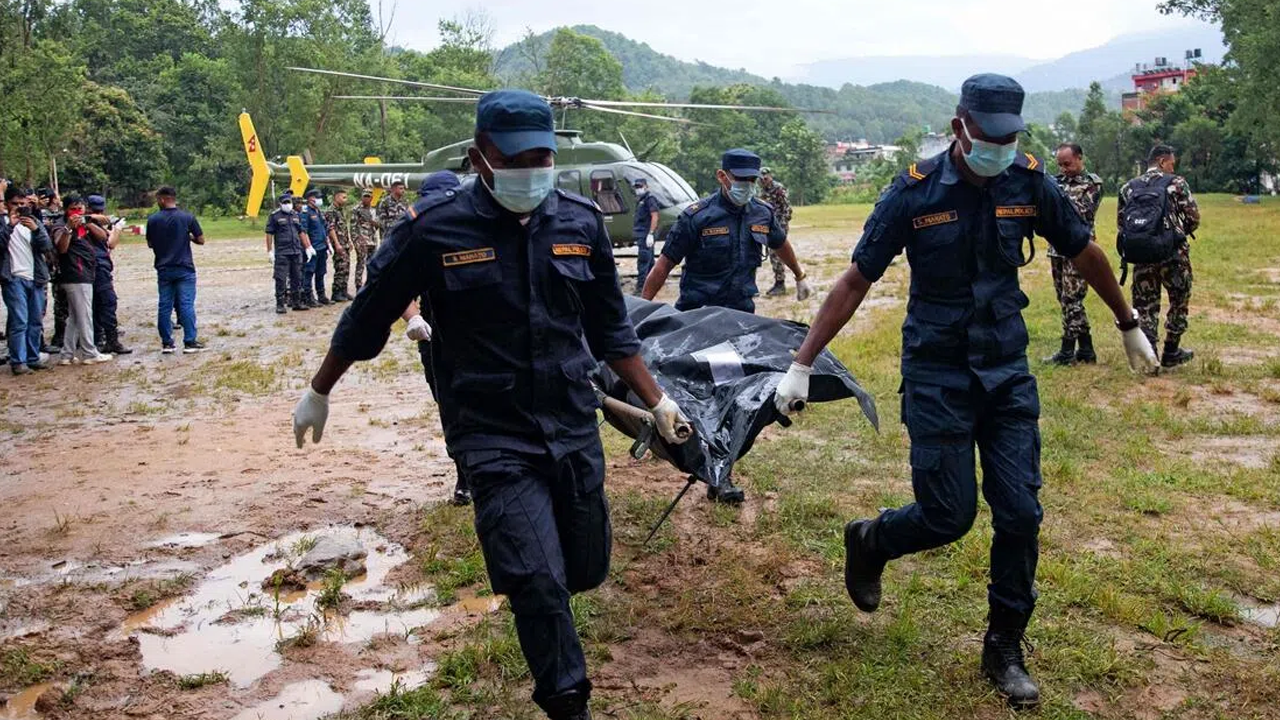
Nepalese authorities are burying unidentified and unclaimed bodies recovered after a devastating sudden flood, while collecting DNA samples to allow relatives to identify and reclaim them later. The decision was taken because bodies were rapidly decomposing, producing foul odours and raising concerns about infection. The disaster followed a major glacial collapse last Wednesday near the Nepal-China border, sending water, mud and debris through villages and towns in Nepal.
By the fifth day of the disaster, at least 675 bodies had been recovered, including 233 in Chitwan, a southern district bordering India. Hospitals in Chitwan lacked sufficient space and facilities to preserve the growing number of bodies. Authorities had used a house as a temporary mortuary, but it also ran out of space, and an official said burial was the only remaining option. Health experts warned that decomposition of temporarily stored bodies was increasing odour and infection risks.
Authorities had completed DNA testing on more than 100 bodies by Saturday afternoon. Bodies are placed in numbered bags and buried in graves about 1.5 metres deep, spaced roughly 40 centimetres apart. Records, photographs, videos, identification markers and planned geotagging will document each burial site. Nepal still has 2,426 people missing, including several hundred foreigners.

The ‘1 Nojor’ media platform is now live in beta, inviting users to explore and provide feedback as we continue to refine the experience.