
The ‘1 Nojor’ media platform is now live in beta, inviting users to explore and provide feedback as we continue to refine the experience.
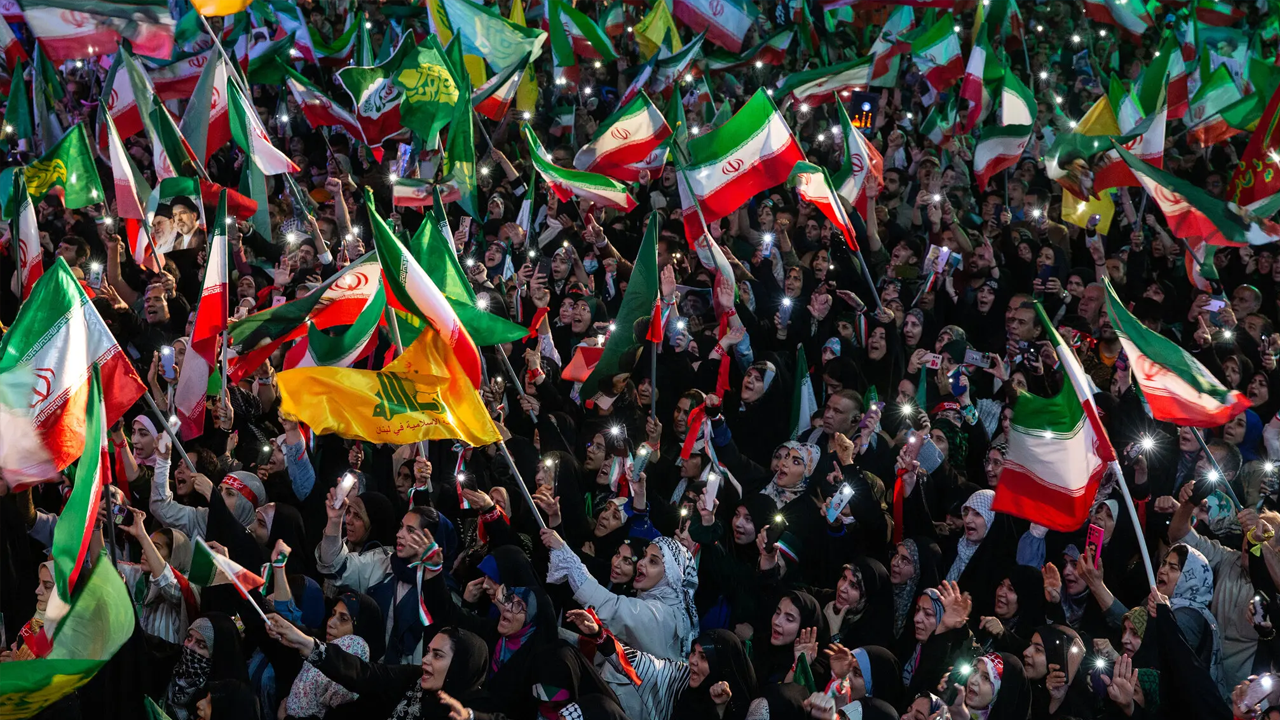
Iran has begun portraying a potential war-ending agreement with the United States as a diplomatic and strategic victory. Iranian officials claim Tehran made no major concessions and that Washington was ultimately compelled to return to negotiations. A US official said both sides have reached a preliminary agreement in principle to reopen the Strait of Hormuz and for Iran to dispose of its stockpile of highly enriched uranium. The deal awaits approval from President Donald Trump and Iran’s Supreme Leader Mojtaba Khamenei.
Key aspects of the agreement, including the future of Iran’s nuclear program, remain unresolved. Analysts note that Iran is seizing the opportunity to present itself as resilient under pressure from two nuclear powers. They also point out that the US and Israel have failed to achieve their main objectives, as Iran’s leadership and military structure remain intact, and the draft deal excludes restrictions on Iran’s missile program or allied militias.
Experts suggest the agreement’s long-term impact depends on whether it evolves beyond a ceasefire. Iran still faces severe economic and infrastructure challenges, but any easing of oil sanctions or asset releases could be framed domestically as a major political success.

The ‘1 Nojor’ media platform is now live in beta, inviting users to explore and provide feedback as we continue to refine the experience.