
The ‘1 Nojor’ media platform is now live in beta, inviting users to explore and provide feedback as we continue to refine the experience.
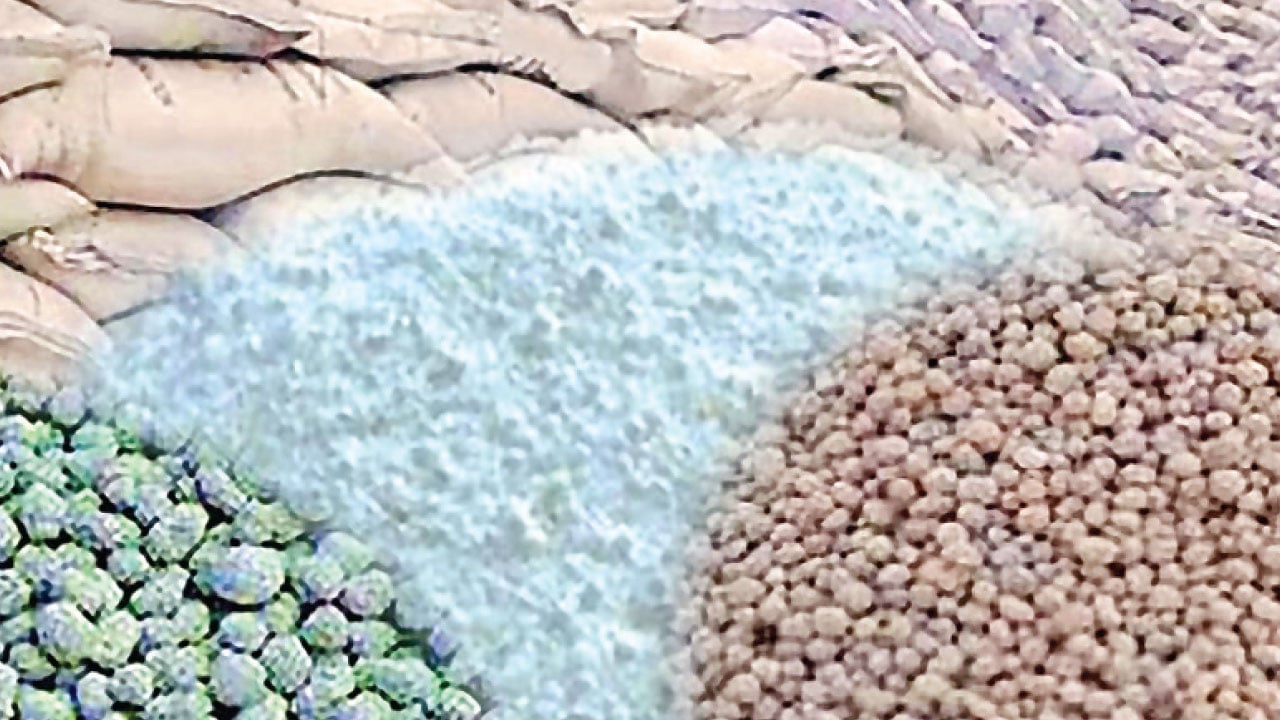
Bangladesh’s fertilizer reserves have fallen close to minimum safety levels amid gas shortages, reduced domestic urea production and disruptions to imports, according to a ministry review held Thursday. Urea output has declined by an average 25 to 30 percent because factories are not receiving gas as required. The country has about 500,329 tonnes of urea in stock, only 329 tonnes above the stated five-lakh-tonne safety reserve target, during the Aman rice season.
War and geopolitical tensions in the Middle East have increased uncertainty over supplies from Saudi Arabia and the United Arab Emirates. Disrupted shipping through the Strait of Hormuz has forced fertilizer shipments to travel via Egypt’s Yanbu port, adding about 1,200 miles, time and costs. Qatar has not concluded an export agreement with Bangladesh, leaving imports dependent on two countries rather than three.
The government has begun tender procedures to import urea from Russia, Malaysia and Brunei, though officials say completion could take two to three months. Stocks of DAP, TSP and MOP are below safety thresholds. Authorities also reported irregularities in distribution, while farmers alleged that fertilizers were being withheld and sold at higher prices.

The ‘1 Nojor’ media platform is now live in beta, inviting users to explore and provide feedback as we continue to refine the experience.