
The ‘1 Nojor’ media platform is now live in beta, inviting users to explore and provide feedback as we continue to refine the experience.
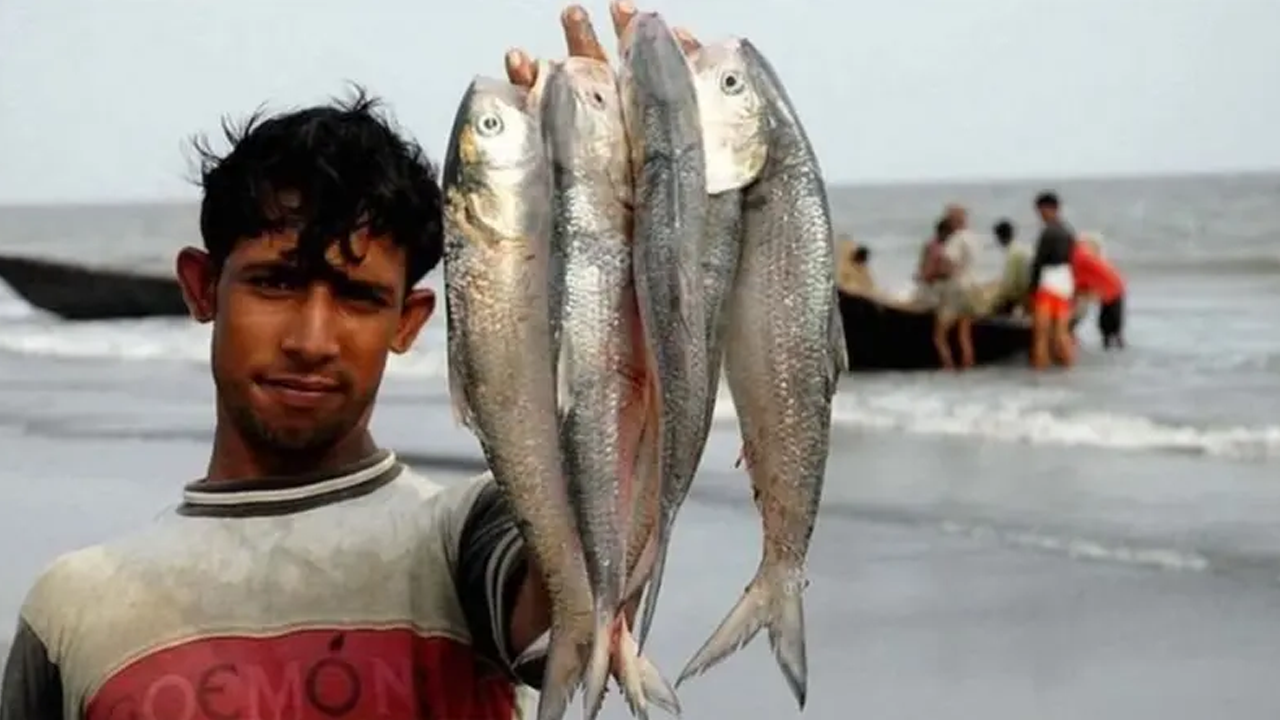
Bangladesh’s hilsa fishery is facing seasonal shortages, unusually high prices and a growing presence of small fish in markets, despite hilsa’s status as the national fish and a geographically indicated product. The article argues that national pride in hilsa cannot protect the resource without science-based management, effective law enforcement, good governance and sustained political commitment. Hilsa production totaled about 529,000 tonnes in fiscal year 2023-24, down from roughly 571,000 tonnes a year earlier, an estimated decline of about 8 percent.
The article identifies river degradation, pollution, loss of navigability, jatka catching, prohibited fine-mesh nets and climate change as major pressures on the migratory fish. It says poor fishers may violate seasonal bans when food support is inadequate, while eligible fishers can miss government assistance because of irregularities or political influence. Enforcement campaigns against illegal nets have not produced lasting results because producers, wholesalers and influential syndicates are not consistently targeted.
The article also links retail price increases to intermediaries, depot operators, stockpilers and weak market oversight. It calls for coordinated action across agencies on river protection, pollution control, livelihoods and market transparency, alongside dredging, cold chains, digital auctions and stronger fisher cooperatives. It says permanent, accountable reforms are needed beyond seasonal campaigns.

The ‘1 Nojor’ media platform is now live in beta, inviting users to explore and provide feedback as we continue to refine the experience.