
The ‘1 Nojor’ media platform is now live in beta, inviting users to explore and provide feedback as we continue to refine the experience.
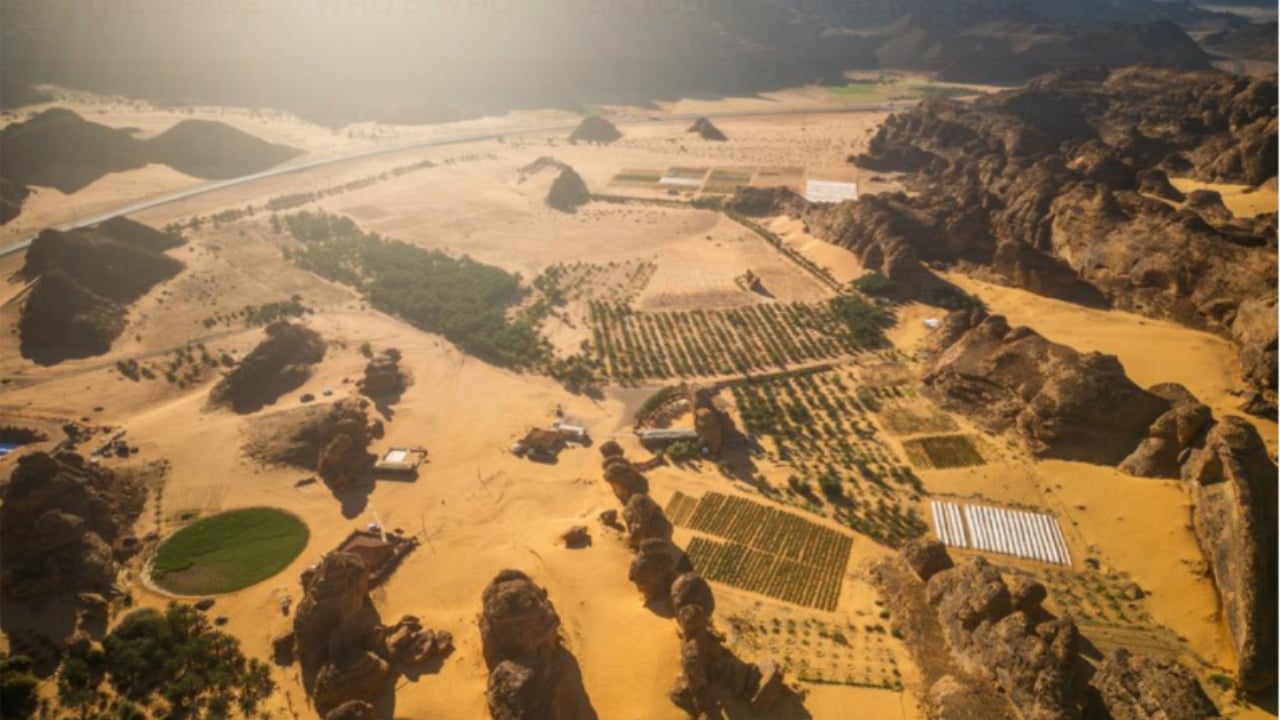
Climate change is increasing water scarcity, reducing agricultural output and raising the risk of higher food prices across the Arab world, experts say. The region, already among the world’s most water-stressed areas, could face a larger food and humanitarian crisis as desertification expands and water supplies needed for farming decline.
According to the UN Food and Agriculture Organization, arable land accounts for less than 5 percent of land in Arab countries. The region is heavily dependent on food imports, with nearly two-thirds of total food demand expected to be met through imports by 2031. Several Gulf countries already import more than 90 percent of the food they need. Egypt imports about half of its wheat, and higher wheat prices can increase subsidy costs and pressure spending in other sectors.
WFP regional director Samer Abdeljaber said excessive dependence on imports leaves the region highly vulnerable to disruptions in global food markets. WFP identified serious food-security conditions in Yemen, Syria, Palestine, and parts of Iraq and Libya. Experts called for early warning systems, effective water management, climate-resilient agriculture, reliable groundwater sources and stronger local disaster-response capacity.

The ‘1 Nojor’ media platform is now live in beta, inviting users to explore and provide feedback as we continue to refine the experience.