
The ‘1 Nojor’ media platform is now live in beta, inviting users to explore and provide feedback as we continue to refine the experience.
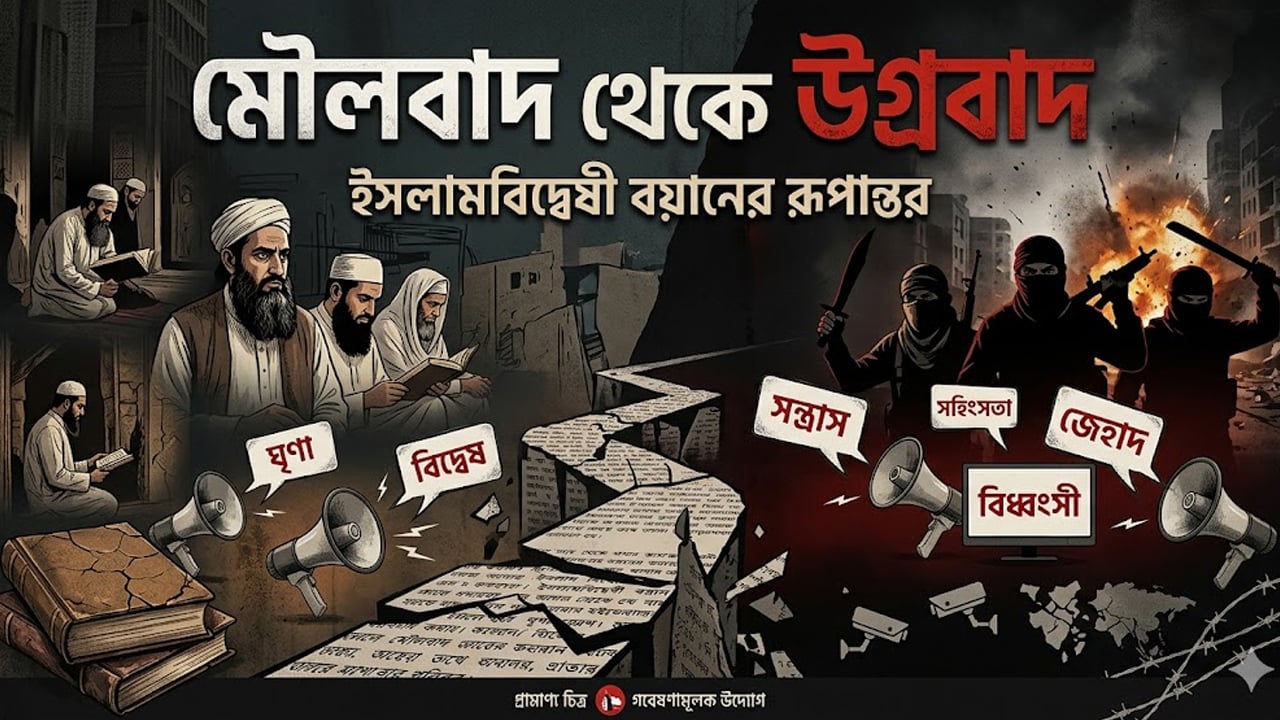
Dr. Yusuf Zarif, in an article published on March 29, 2026, examines how Bangladesh’s political discourse evolved from labeling practicing Muslims as fundamentalists to portraying them as extremists. He argues that since independence, secular elites and Western-influenced intellectuals have shaped political narratives that marginalized Islamic values and national identity. According to the article, these narratives were reinforced through alliances among intellectuals, business elites, NGOs, and civil society, often supported by Western funding under the guise of human rights and gender empowerment.
The author traces three major phases: the 1980s’ anti-fundamentalist campaigns, the post-2001 anti-extremism agenda, and the post-2024 period when pro-Bangladesh movements were branded as extremist. He claims that successive governments and media institutions used these narratives to suppress nationalist and faith-based politics, consolidating elite and foreign influence. The July 2024 uprising is described as a popular rejection of this dominance.
Dr. Zarif concludes that without a cultural and intellectual revival rooted in justice and dignity, Bangladesh risks repeating past cycles of division and elite control.

The ‘1 Nojor’ media platform is now live in beta, inviting users to explore and provide feedback as we continue to refine the experience.