
The ‘1 Nojor’ media platform is now live in beta, inviting users to explore and provide feedback as we continue to refine the experience.
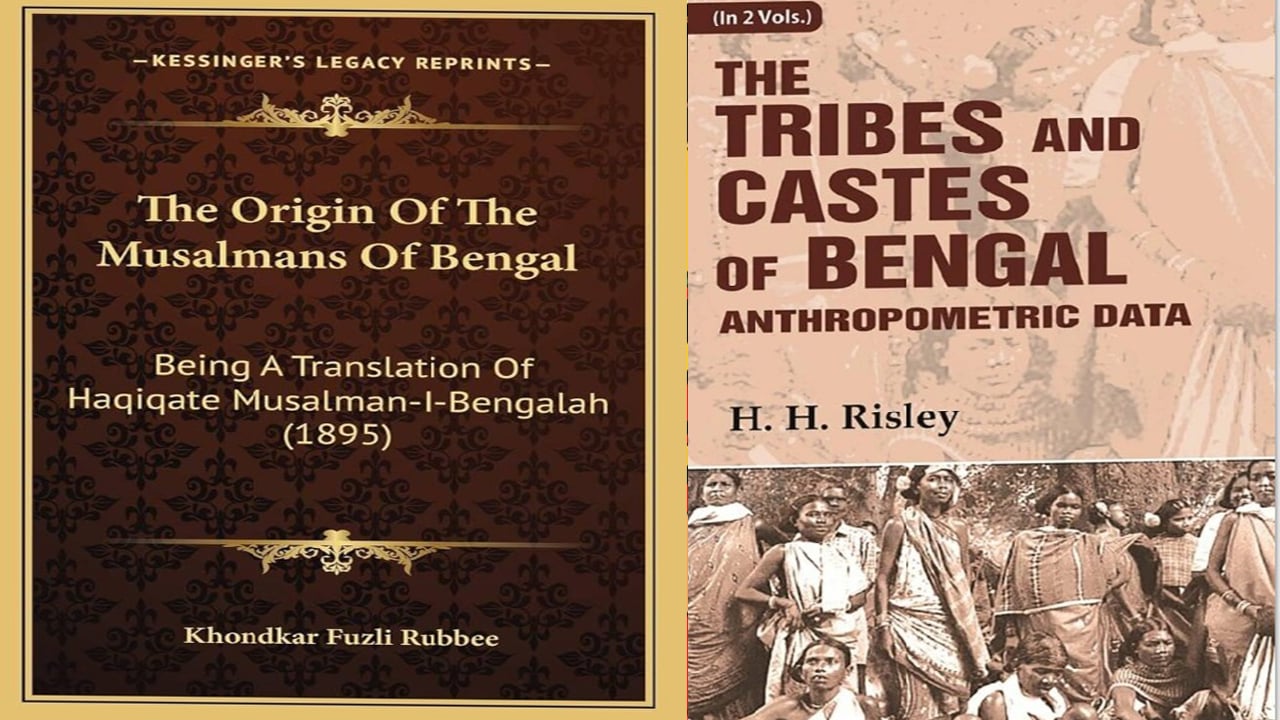
Dr. Mohar Ali’s article highlights Khandakar Fazle Rabbi’s critical analysis of Risley’s ethnographic theory on Bengali Muslims. Rabbi argued that Risley’s method of using nasal index as a racial marker was unjust toward Muslims because he measured Hindus by caste and occupation but treated Muslims as a single undifferentiated group. Rabbi found that if the same standards applied to Hindus were used for Muslims, the results would favor Muslims.
Rabbi revealed that Risley’s data collection was biased, as his assistant Kamod Behari Samanta admitted to measuring only lower-class Muslim prisoners from eastern Bengal, following Risley’s directive to exclude well-built or higher-status Muslims. Rabbi questioned how such selective sampling could yield fair conclusions. He further argued that the large Muslim population in Bengal stemmed from centuries of Muslim rule, with many present-day Muslims descending from the inhabitants of former Muslim capitals like Gaur, Rajmahal, Dhaka, and Murshidabad.
Rabbi urged authorities to officially investigate and record the true origins of Bengali Muslims. Although his critique influenced the 1901 census circular inviting local opinions, his book received no official support and remained obscure, while later works continued to echo the Risley-Beverly perspective.

The ‘1 Nojor’ media platform is now live in beta, inviting users to explore and provide feedback as we continue to refine the experience.