
The ‘1 Nojor’ media platform is now live in beta, inviting users to explore and provide feedback as we continue to refine the experience.
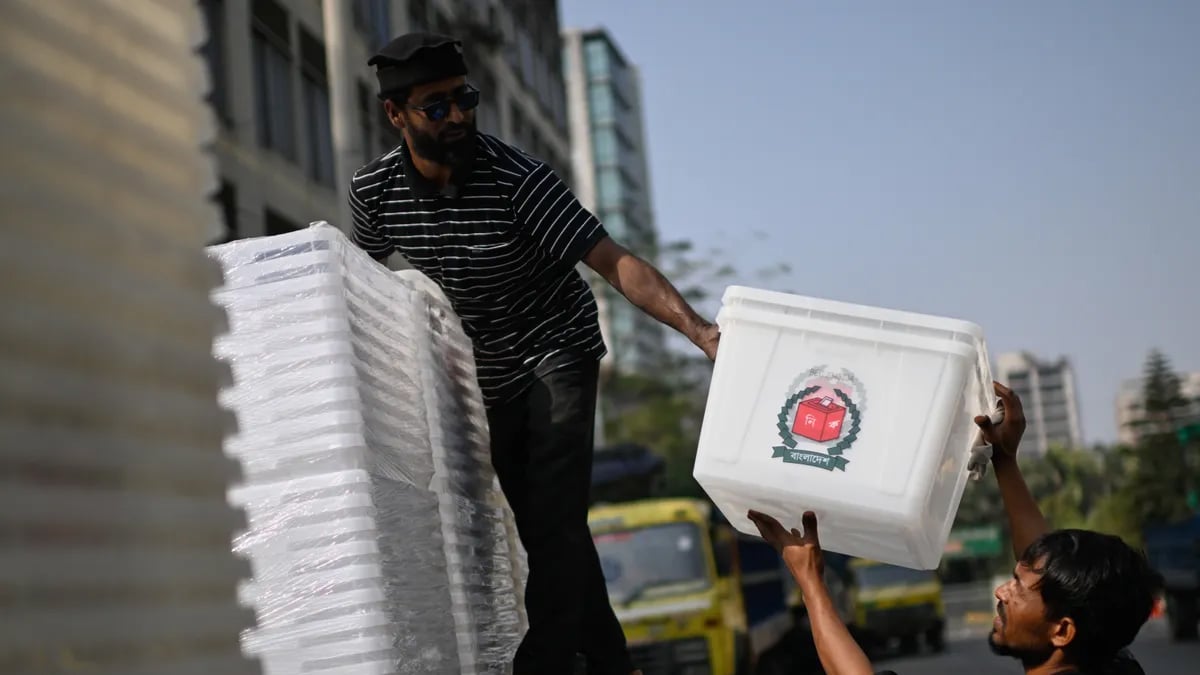
Analysts say Bangladesh’s national election, scheduled for February 12 under Nobel laureate Muhammad Yunus’s interim government, could redefine South Asia’s geopolitical balance. The vote follows the August 2024 student-led uprising that ended former Prime Minister Sheikh Hasina’s authoritarian rule. Dhaka’s anger over India granting asylum to Hasina has reportedly pushed Bangladesh closer to China and Pakistan.
Experts note that while Bangladesh maintained strong trade and defense ties with China during Hasina’s tenure, India had long been its main strategic partner. That balance now appears to be shifting. Yunus’s first state visit was to China, and a new defense pact signed in January includes plans for a drone production facility near India’s border. Despite tensions, economic ties with India remain stable, with only one bilateral agreement canceled.
Regional analysts suggest Bangladesh’s growing alignment with China does not necessarily mean hostility toward India. They argue Dhaka may continue pragmatic engagement with both powers while normalizing relations with Pakistan, as evidenced by the recent resumption of direct flights after more than a decade.

The ‘1 Nojor’ media platform is now live in beta, inviting users to explore and provide feedback as we continue to refine the experience.