
The ‘1 Nojor’ media platform is now live in beta, inviting users to explore and provide feedback as we continue to refine the experience.
A commentary published on June 17, 2026, examines the long history of media control in Bangladesh, linking it to authoritarian political traditions. It recalls the June 16, 1975 closure of most newspapers under the then Awami League government and argues that similar tendencies resurfaced during Sheikh Hasina’s long tenure through laws, licensing pressure, and censorship. The article claims that such control turned many outlets into echoes of power rather than voices of the people.
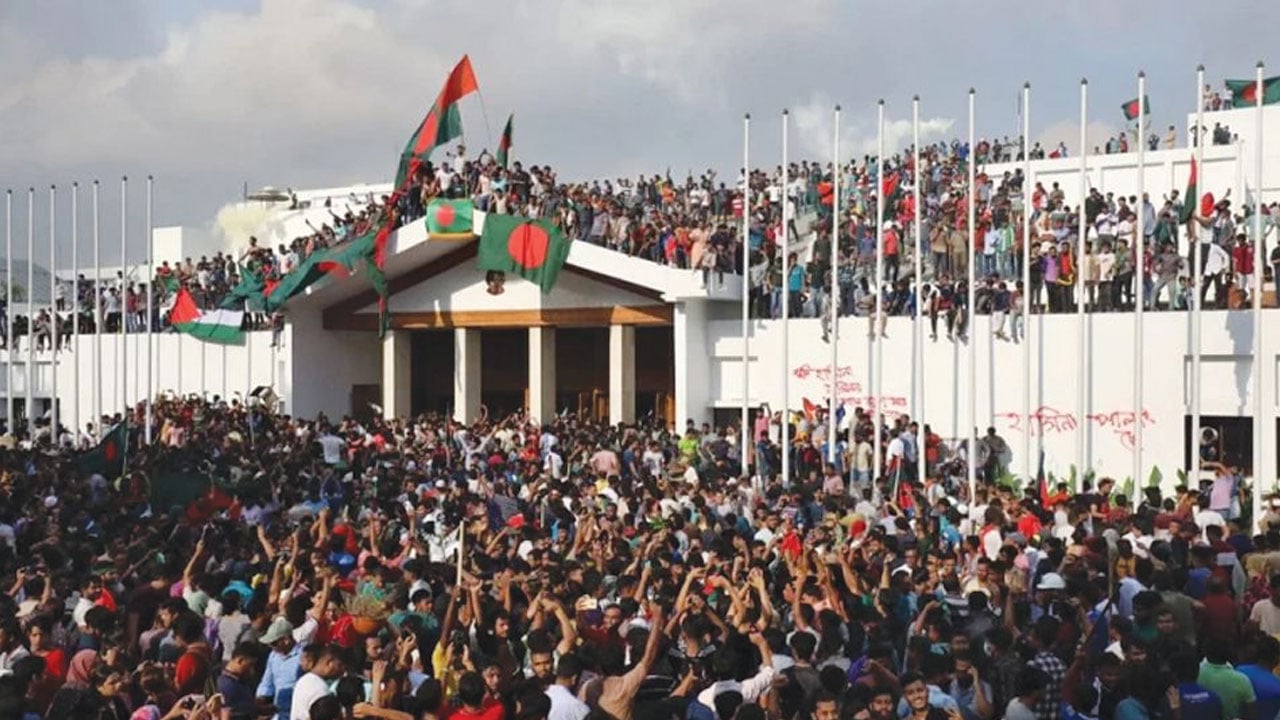
The analysis connects this legacy to the July 2024 student-led uprising, describing it as not only a political revolt but also a rejection of decades of information control. It says mainstream media failed to reflect public grievances over inequality, corruption, and disenfranchisement, while citizen journalism on social media broke through censorship. International outlets reportedly exposed state violence when domestic media remained silent.
The writer calls for structural reform to ensure editorial independence, abolish restrictive laws, and end corporate and political ownership influence. He concludes that the future of democracy and journalism in Bangladesh depends on restoring truth and public trust in the media.

The ‘1 Nojor’ media platform is now live in beta, inviting users to explore and provide feedback as we continue to refine the experience.