
The ‘1 Nojor’ media platform is now live in beta, inviting users to explore and provide feedback as we continue to refine the experience.
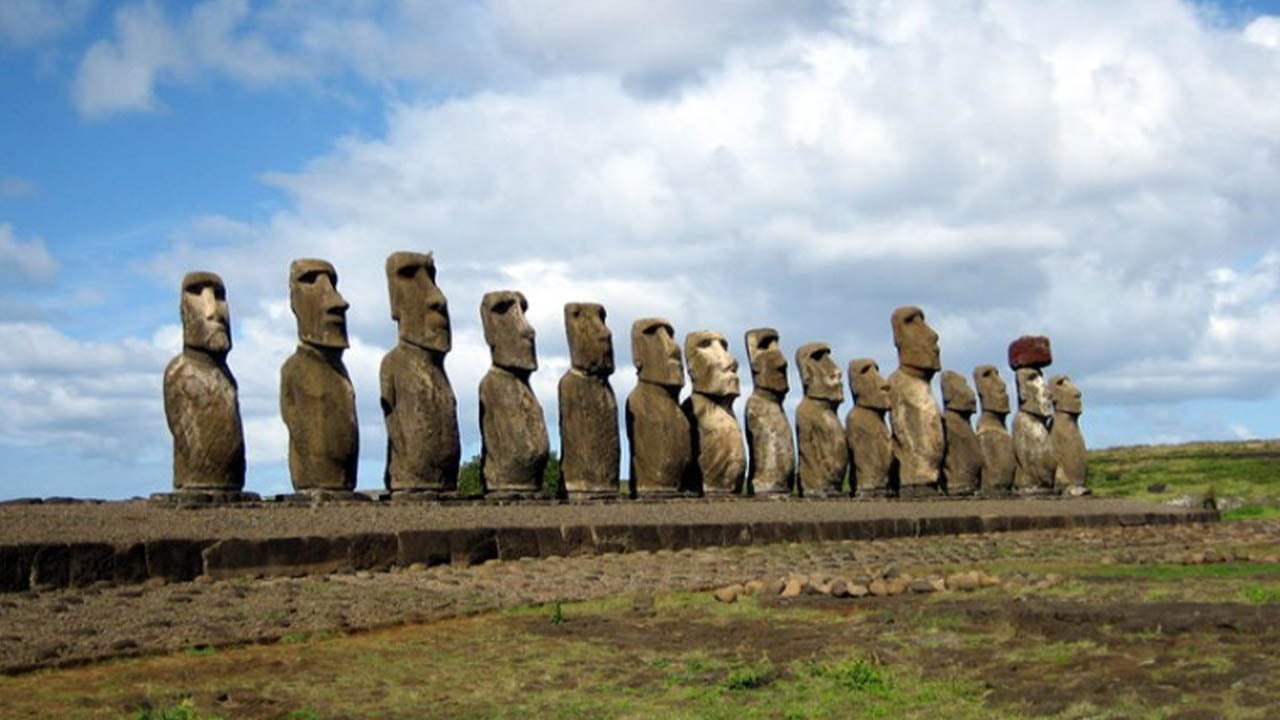
Easter Island, a triangular volcanic island located about 2,300 miles west of Chile, remains one of the world’s most mysterious archaeological sites. The island, covering roughly 64 square miles, is home to hundreds of giant stone statues known as moai, many of which face the sea. Dutch explorers first documented the island after unexpectedly arriving there during a Pacific voyage. Local inhabitants reportedly worshipped the statues as deities but could not explain who built them or how the massive stones were carved and transported.
Following global attention, extensive research began on the island’s origins. Researcher Thor Heyerdahl suggested that settlers from Peru arrived around 380 AD, building roads, temples, and observatories. Another group from Peru allegedly took control in 1280 AD and created the statues, which feature elongated ears similar to Peruvian traditions. Around 1680, Polynesians from Asia arrived, and statue construction gradually ceased. The statues range from 3 to 36 feet tall and weigh about 20 tons on average.
Now recognized as a UNESCO World Heritage Site, Easter Island continues to attract researchers seeking to uncover the secrets behind its monumental sculptures and ancient civilizations.

The ‘1 Nojor’ media platform is now live in beta, inviting users to explore and provide feedback as we continue to refine the experience.