
The ‘1 Nojor’ media platform is now live in beta, inviting users to explore and provide feedback as we continue to refine the experience.
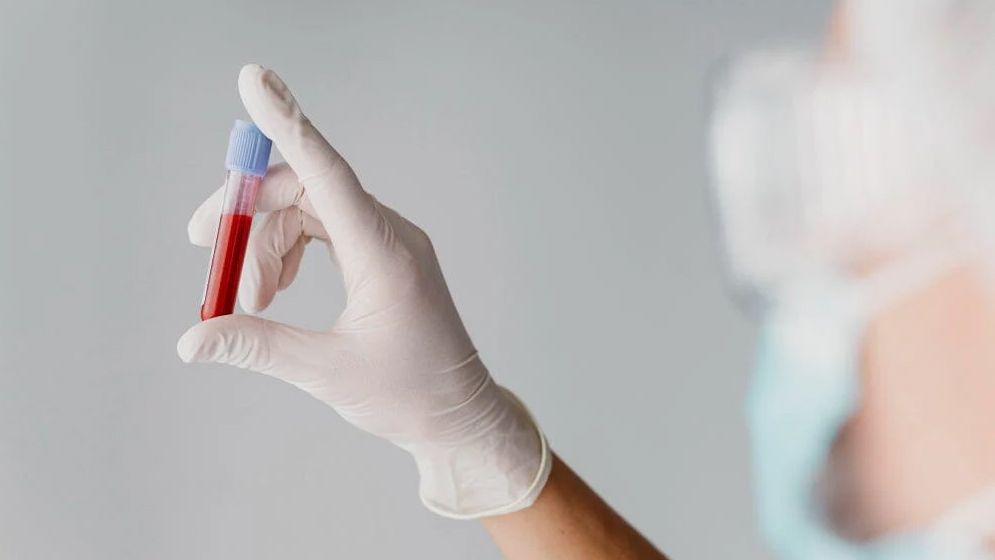
Researchers are making significant progress in developing lab-grown versions of the world’s rarest blood type, known as Rh-null or 'Golden Blood', which occurs in only one out of every six million people. This blood type lacks all 50 Rh antigens, making it compatible with nearly all Rh blood types but extremely difficult to find for transfusions. Scientists from the University of Bristol, Laval University in Canada, and institutions in Barcelona are using CRISPR-Cas9 gene-editing technology to remove key antigens from stem cells, creating universal or Rh-null-like red blood cells. The research aims to produce blood that can be safely transfused to patients regardless of blood group, potentially revolutionizing transfusion medicine. However, experts caution that large-scale production and clinical application remain years away due to strict regulations and the need for extensive trials. The work, led by Professor Toye and others, also includes non-gene-edited lab-grown blood trials under the RESTORE project, marking the world’s first human testing of lab-produced red blood cells.

The ‘1 Nojor’ media platform is now live in beta, inviting users to explore and provide feedback as we continue to refine the experience.