
The ‘1 Nojor’ media platform is now live in beta, inviting users to explore and provide feedback as we continue to refine the experience.
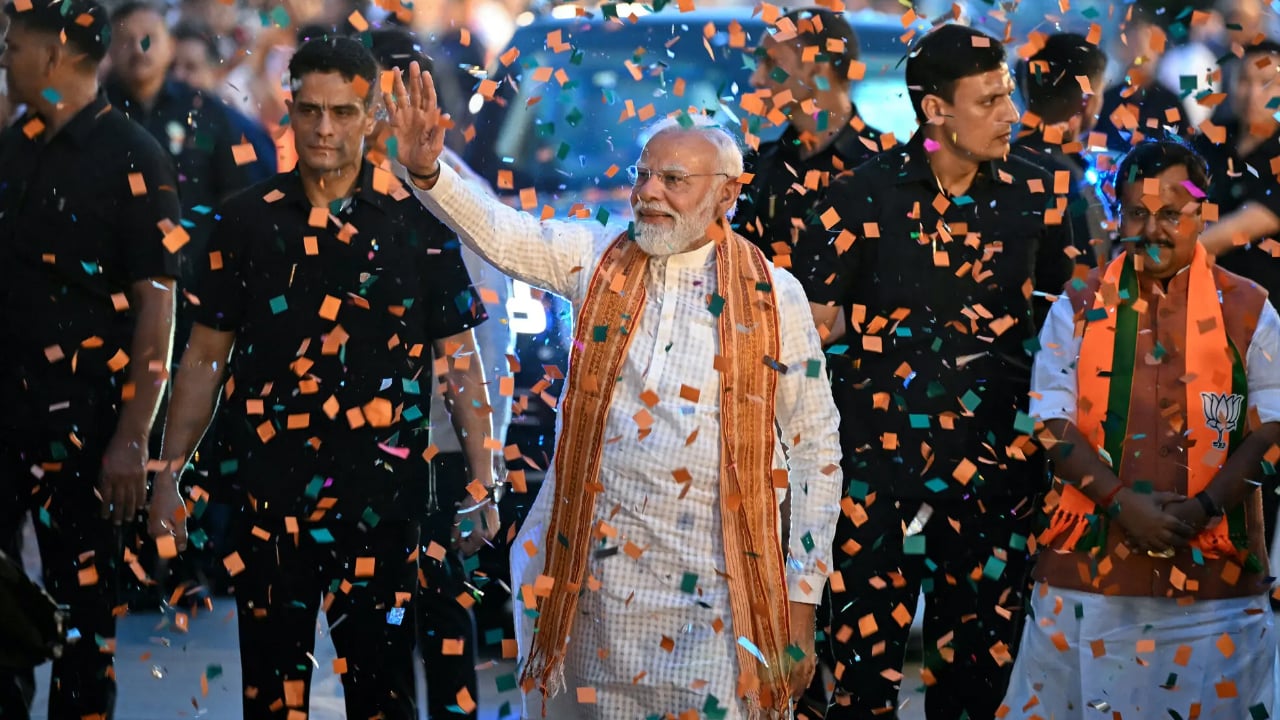
Over a decade after Narendra Modi first campaigned to build a Congress-free India, the country’s political landscape has shifted sharply in his favor. The Congress Party, once India’s dominant political force, has been reduced to control of only four states while Modi’s ruling coalition now governs 21. Recent elections saw key opposition leaders Mamata Banerjee in West Bengal and M.K. Stalin in Tamil Nadu lose power, leaving Modi with virtually no strong political challengers.
Analysts and critics describe this as the emergence of a one-party state under the Bharatiya Janata Party (BJP), whose Hindu nationalist agenda contrasts sharply with Jawaharlal Nehru’s pluralist vision for India. The BJP’s disciplined organization and focus on welfare and local governance have helped it secure a series of state-level victories since 2024, despite allegations of voter suppression and electoral manipulation. In states like West Bengal and Assam, large-scale voter list revisions reportedly disenfranchised minorities.
Political observers note that Modi’s dominance has left the opposition fragmented and weak. With the next national election due in 2029, questions remain over whether Modi will seek another term or who might succeed him within the BJP.

The ‘1 Nojor’ media platform is now live in beta, inviting users to explore and provide feedback as we continue to refine the experience.