
The ‘1 Nojor’ media platform is now live in beta, inviting users to explore and provide feedback as we continue to refine the experience.
The ongoing war involving Iran, the United States, and Israel has shaken the global economy, with developing nations across Asia, Africa, and the Middle East facing severe inflationary pressure. The closure of the Strait of Hormuz and attacks on Gulf energy facilities have triggered a fuel crisis, hitting import-dependent economies the hardest. Countries from Pakistan to Bangladesh and Sri Lanka, and from Jordan to Egypt and Ethiopia, are struggling to manage the fallout.
Pakistan, which imports 80 percent of its fuel from Gulf states, has seen its reserves of petrol and diesel plummet within weeks of the conflict. The government has reduced working days in public offices, closed schools, and limited fuel use for businesses. Although Prime Minister Shehbaz Sharif rejected a proposal to raise fuel prices before Eid, experts warn that prolonged conflict could paralyze economic activity. Bangladesh, which imports 95 percent of its fuel, is also facing shortages, with some districts already closing pumps despite rationing.
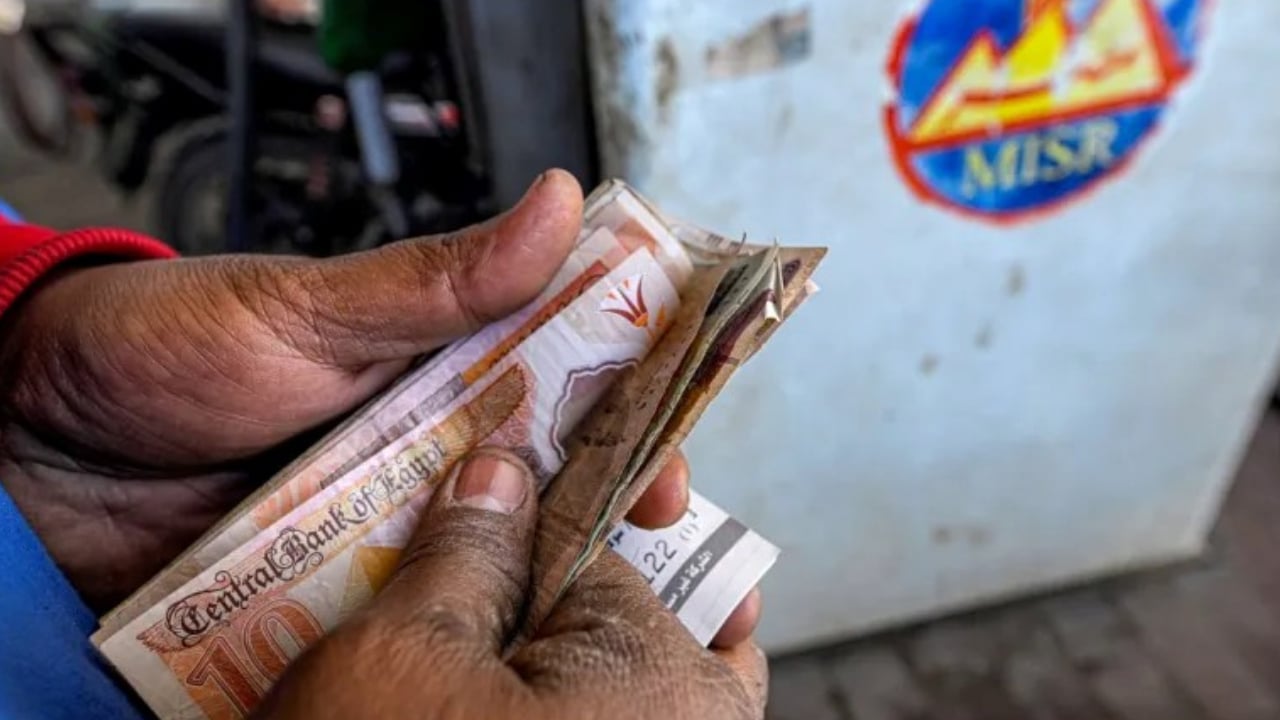
Egypt has ordered early shop closures to conserve electricity, while a Washington-based analysis identified Pakistan, Bangladesh, Sri Lanka, Jordan, Senegal, Egypt, Angola, Ethiopia, and Zambia as the most vulnerable to inflation caused by the energy crisis.

The ‘1 Nojor’ media platform is now live in beta, inviting users to explore and provide feedback as we continue to refine the experience.