
The ‘1 Nojor’ media platform is now live in beta, inviting users to explore and provide feedback as we continue to refine the experience.
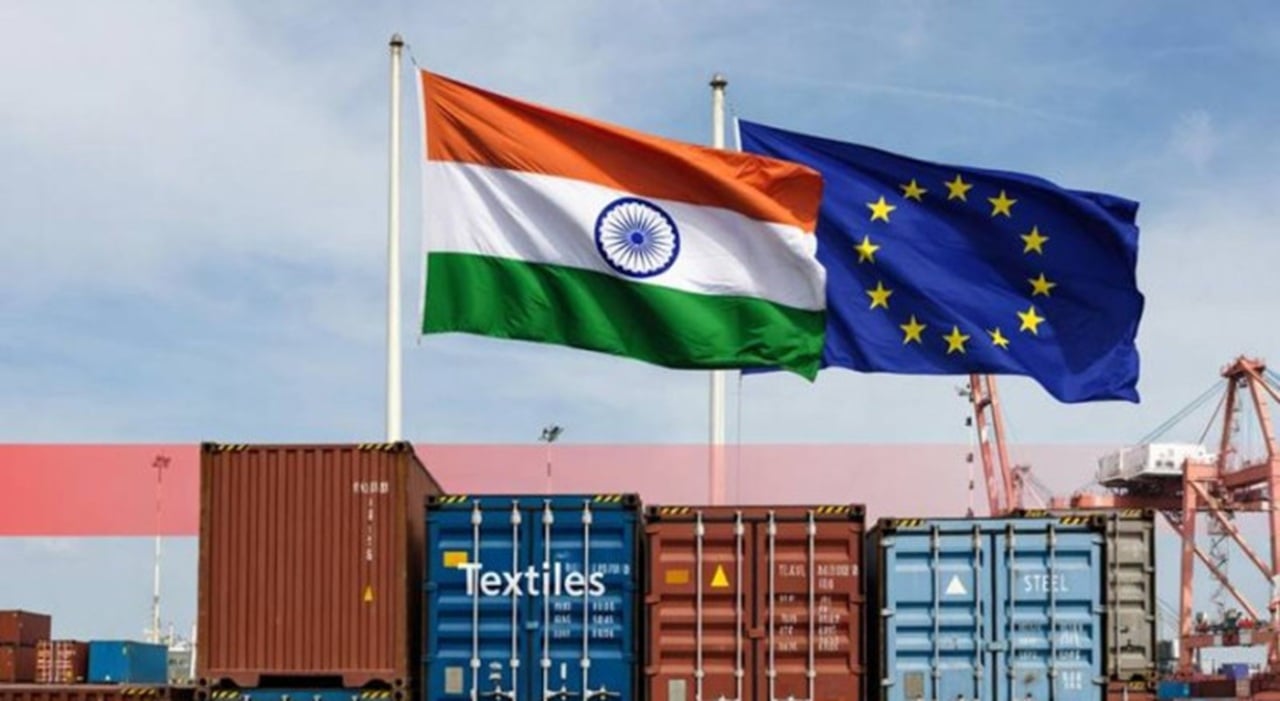
The European Union has suspended the Generalized System of Preferences (GSP) benefits for most Indian exports, including apparel, textiles, plastics, and other major sectors. The decision took effect on January 1, 2026, following a regulation issued by the European Commission on September 25. The suspension will apply from January 1, 2025, to December 31, 2028, and also affects selected products from Indonesia and Kenya.
According to the Global Trade Research Initiative (GTRI), about 87 percent of Indian exports to the EU will now face full tariffs, with only 13 percent—mainly agricultural and leather goods—retaining GSP benefits. Previously, Indian goods enjoyed lower tariffs than the Most Favoured Nation (MFN) rate, but now full MFN duties will apply. For example, apparel tariffs will rise from 9.6 percent to 12 percent. The suspension covers key sectors such as minerals, chemicals, rubber, steel, machinery, and transport equipment.
GTRI’s Ajay Srivastava noted that despite ongoing India-EU free trade talks, exporters will face short-term challenges, compounded by the EU’s Carbon Border Adjustment Mechanism. Export organizations warned that India’s competitiveness may decline compared to Bangladesh and Vietnam, whose exports still enjoy lower or zero tariffs in Europe.

The ‘1 Nojor’ media platform is now live in beta, inviting users to explore and provide feedback as we continue to refine the experience.