
The ‘1 Nojor’ media platform is now live in beta, inviting users to explore and provide feedback as we continue to refine the experience.
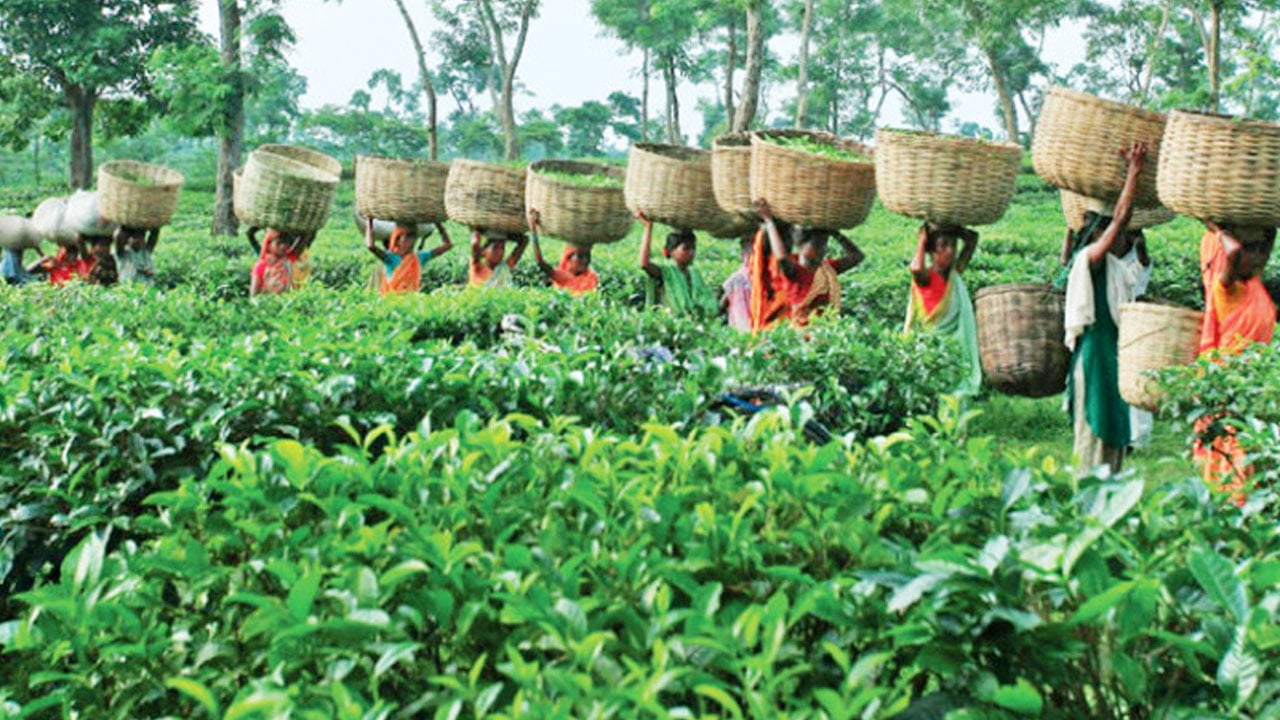
In Kulaura upazila of Moulvibazar, 21 out of 26 tea estates have no government primary schools, causing hundreds of children from tea worker families to drop out of basic education. Despite the tea industry’s 172-year history in the region, tea workers remain educationally disadvantaged. Land disputes and the indifference of estate authorities have delayed the establishment of government schools. Existing private schools in the estates are in poor condition, often with only one or two classrooms and very low teaching standards.
According to the Kulaura Primary Education Office, the estates without government schools include Hingajia, Sirajnagar, Bormchal, Rehana, Gazipur, Jhimai, Merina, Jhunkijalai, Rangichhara Fari, Clevedon, Bijoya, Kaliti, Chatlapur, Longla, Tilakpur, Azgarabad, Dildarpur, Borhannagar, Rajanagar, Tarapasha, and Muraichhara. Former and current leaders of the Bangladesh Tea Workers’ Union said that tea worker children have been deprived of their right to education for generations due to land complications and lack of government action.
The acting Upazila Primary Education Officer stated that a proposal has been sent to the Ministry of Primary and Mass Education to establish six new government primary schools in the tea garden areas, with plans for gradual expansion.

The ‘1 Nojor’ media platform is now live in beta, inviting users to explore and provide feedback as we continue to refine the experience.