
The ‘1 Nojor’ media platform is now live in beta, inviting users to explore and provide feedback as we continue to refine the experience.
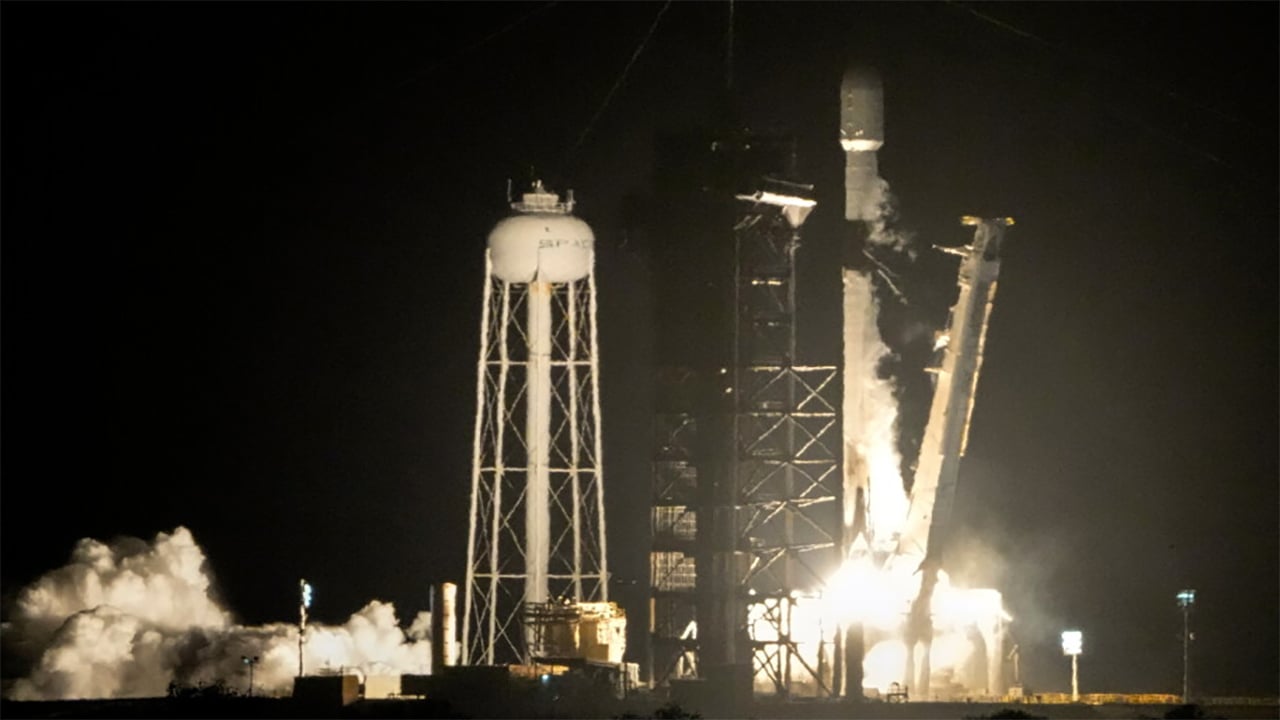
An inactive upper stage from a SpaceX Falcon 9 rocket, which has been orbiting in space for years, is expected to strike the Moon at 6:34 a.m. local time on August 5. The report says the rocket section will hit at about 8,700 kilometres per hour, nearly seven times the speed of sound. The impact could create a large crater and disperse substantial dust and debris into space.
Astronomers are waiting to observe the event, which may be visible with sufficiently powerful telescopes. Researchers believe the rocket casing may break apart and scatter rather than form a deep crater like a solid meteorite, producing a dust curtain extending about 183 kilometres. University of Texas astronomer Lawrence Traffton said smaller telescopes could distinguish the plume if it rises about 50 kilometres above the lunar edge, though the Moon's brightness may hinder observation.
The report describes the possible impact as a first opportunity to record from Earth an object striking the Moon's sunlit side. It notes that NASA's Lunar Prospector hit the Moon in 1999 while seeking water, without success, while a 2009 mission detected water ice in a dust cloud from a rocket impact. The event could provide information for future lunar exploration and human missions.

The ‘1 Nojor’ media platform is now live in beta, inviting users to explore and provide feedback as we continue to refine the experience.