
The ‘1 Nojor’ media platform is now live in beta, inviting users to explore and provide feedback as we continue to refine the experience.
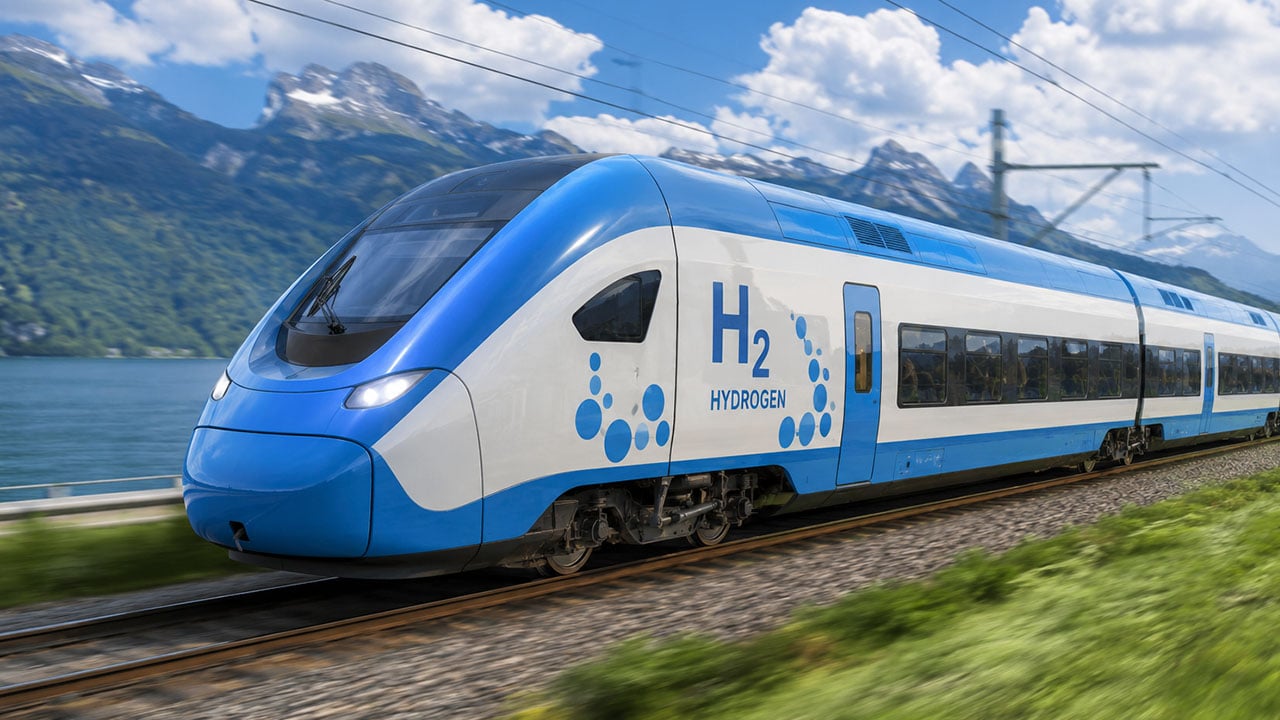
Hydrogen-powered trains are drawing growing global interest as countries seek cleaner rail transport amid climate change, air pollution and rising fossil-fuel use. The trains use hydrogen fuel cells rather than diesel or coal-based fuel to generate electricity for electric motors. The process produces mainly water and water vapour, with virtually no carbon dioxide, nitrogen oxides or black smoke emissions, according to the source.
Hydrogen is stored in specialised high-pressure tanks and reacts with oxygen in fuel cells to generate power. Surplus energy is stored in batteries, while energy produced during braking can also be recovered, reducing waste. Germany tested the world’s first hydrogen passenger train in 2018 and commercially introduced the technology in 2022. France, Italy, the United Kingdom, Austria, the Netherlands, Sweden, China, Japan and South Korea have also begun development and trial operations.
India inaugurated its first domestically built hydrogen-powered train on July 17. The technology can operate on existing non-electrified tracks without overhead electric lines, but green hydrogen costs, dedicated storage and supply infrastructure, safety systems, investment and skilled personnel remain challenges. For Bangladesh, it could become a long-term option on routes where electrification is costly.

The ‘1 Nojor’ media platform is now live in beta, inviting users to explore and provide feedback as we continue to refine the experience.