
The ‘1 Nojor’ media platform is now live in beta, inviting users to explore and provide feedback as we continue to refine the experience.
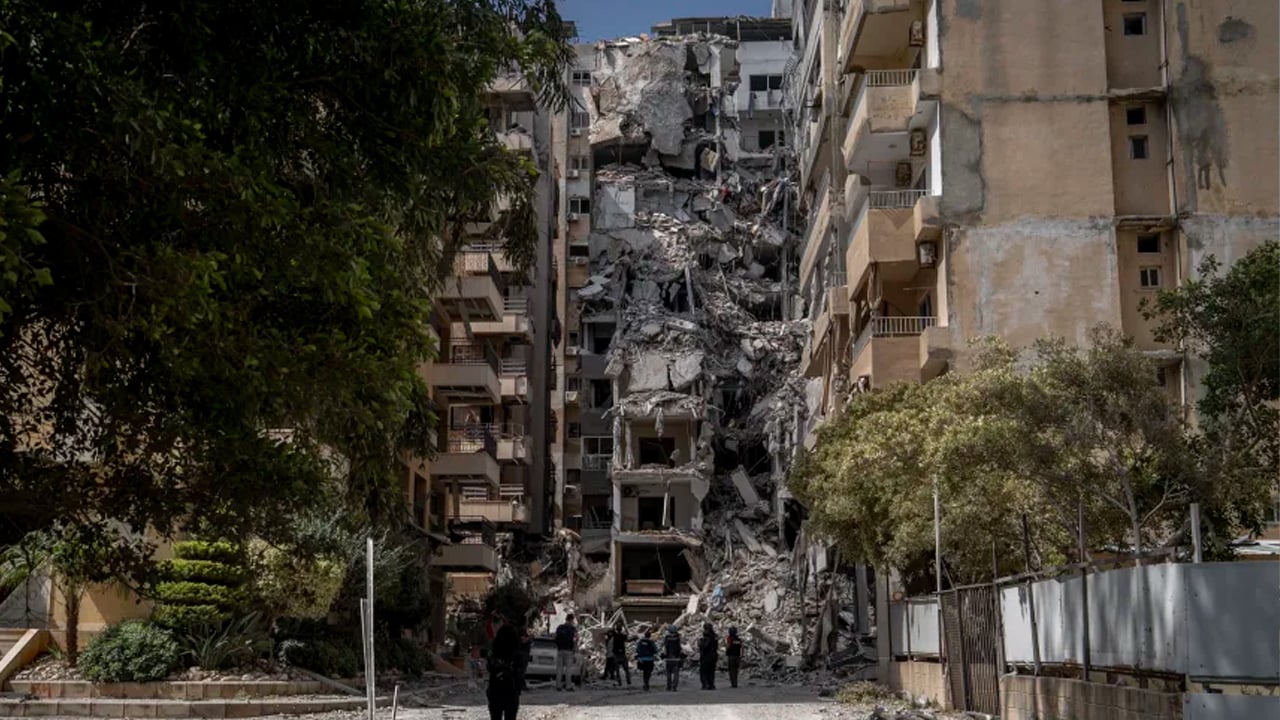
U.S. President Donald Trump’s ongoing diplomatic initiative with Iran has entered a new phase of uncertainty following rising tensions between Israel and Hezbollah in Lebanon. The situation escalated on Monday when Israel threatened strikes in southern Beirut against Tehran-backed Hezbollah, coinciding with missile attacks toward Israel. Iran responded by suspending its talks with Washington, citing violations of the ceasefire in Lebanon. Trump described the negotiations as frustrating but launched urgent diplomatic efforts to contain the crisis.
According to White House sources, Trump held an emergency phone call with Israeli Prime Minister Benjamin Netanyahu, expressing strong disapproval of a potential Lebanese operation. He also reportedly contacted Hezbollah representatives. Later, Trump announced on Truth Social that both sides had agreed to refrain from attacks and that talks with Iran were progressing. Lebanon’s embassy in Washington confirmed Hezbollah would halt strikes if Israel stopped its Beirut operations, while Israel said it would continue actions in southern Lebanon but not target Beirut.
Analysts believe Trump’s intervention temporarily prevented escalation and kept Iran talks alive, though experts warn that deep-rooted mistrust and conflicting regional interests could reignite tensions at any time.

The ‘1 Nojor’ media platform is now live in beta, inviting users to explore and provide feedback as we continue to refine the experience.