
The ‘1 Nojor’ media platform is now live in beta, inviting users to explore and provide feedback as we continue to refine the experience.
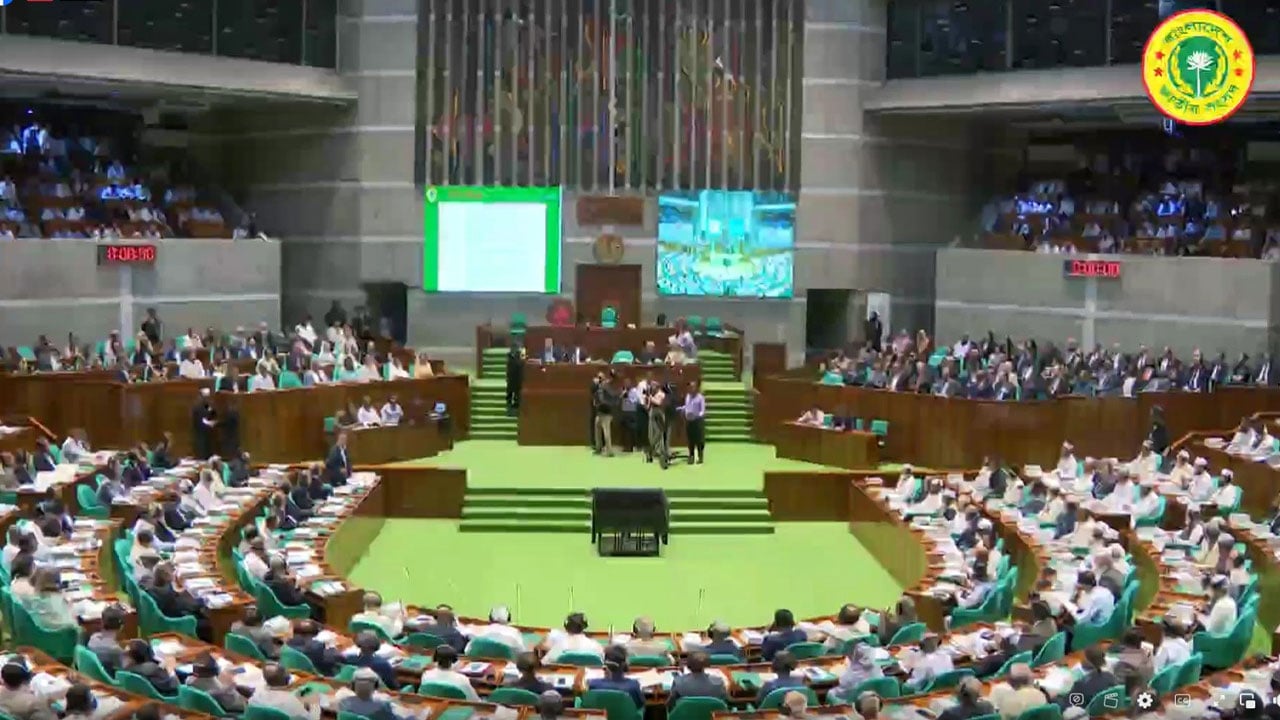
Bangladesh’s 13th National Parliament began its proceedings on March 12, 2026, marking a historic session with several unprecedented features. The parliament was formed following the February 12 national election, held 18 months after the July uprising that toppled the Awami League government. For the first time in the country’s history, the Awami League did not participate in the election and has no representation in the new parliament. A total of 296 members have taken oath, with 227 serving as first-time lawmakers, while elections in three constituencies remain pending due to death, legal issues, and a by-election.
Analysts note that most members lack practical experience in parliamentary procedures, lawmaking, and committee operations. The article explains key parliamentary terms such as quorum, bill, point of order, floor crossing, walkout, and expunge to help both new lawmakers and citizens understand legislative processes. It also highlights the absence of a sitting Speaker, as the previous Speaker resigned after the fall of the former government.
According to the Chief Whip, the first session will be chaired by a person nominated by Prime Minister Tarique Rahman until the new Speaker and Deputy Speaker are elected.

The ‘1 Nojor’ media platform is now live in beta, inviting users to explore and provide feedback as we continue to refine the experience.