
The ‘1 Nojor’ media platform is now live in beta, inviting users to explore and provide feedback as we continue to refine the experience.
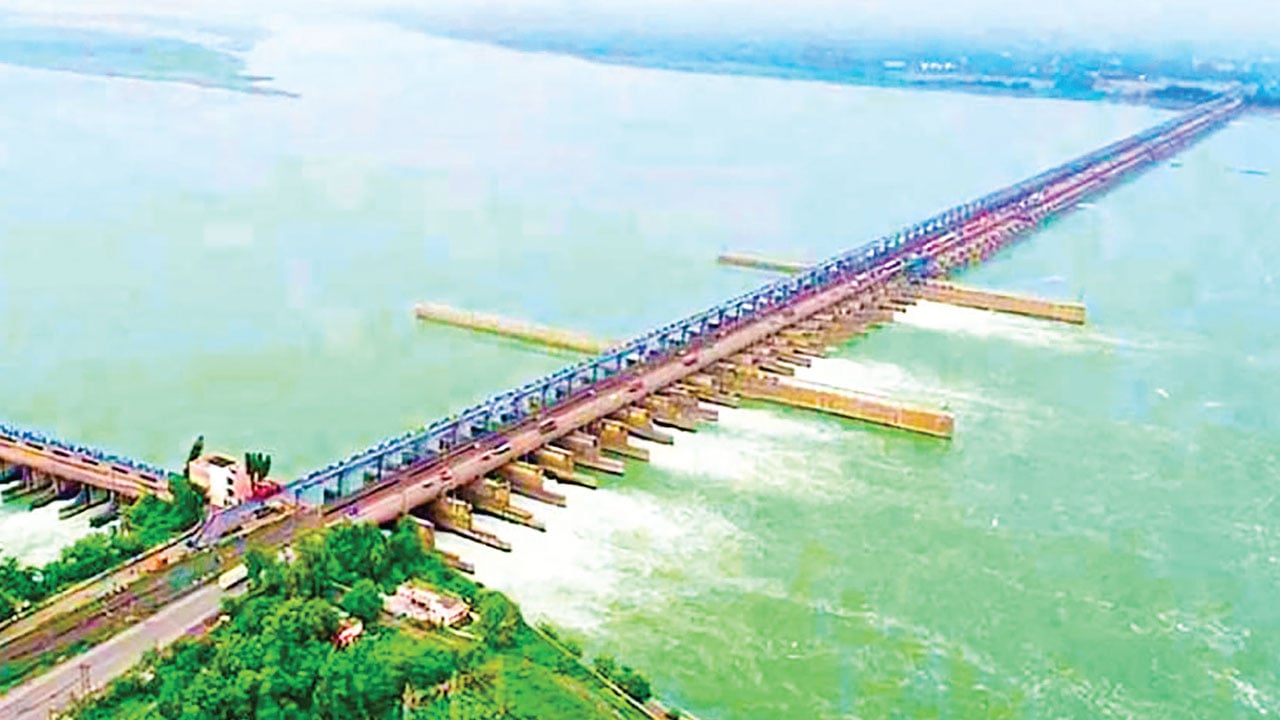
Bangladesh’s river-dependent economy and ecology continue to face challenges due to India’s upstream water management decisions. The country has 57 transboundary rivers, 54 shared with India, and disputes over water sharing have persisted since independence. The article highlights how India’s unilateral projects, including dams and barrages such as Farakka, have caused water scarcity and environmental degradation in Bangladesh. The 1996 Ganges Water Treaty between the two countries expires in December 2026, and uncertainty remains over whether it will be renewed or replaced. India’s proposal to base a new framework on water flow at the Farakka point is described as unfair to Bangladesh.
The Teesta River remains another unresolved issue, with India’s upstream control through the Gajoldoba Barrage reducing dry-season flow into Bangladesh. The 2011 Teesta agreement was never implemented due to opposition from West Bengal. Similarly, the 2019 memorandum allowing India to draw water from the Feni River for Tripura residents has sparked controversy, with allegations of excessive withdrawal affecting Bangladeshi farmers.
The article urges Bangladesh to adopt stronger water diplomacy and advocate internationally for equitable transboundary river management under global conventions such as the UN Watercourses Convention and the Helsinki Rules.

The ‘1 Nojor’ media platform is now live in beta, inviting users to explore and provide feedback as we continue to refine the experience.