
The ‘1 Nojor’ media platform is now live in beta, inviting users to explore and provide feedback as we continue to refine the experience.
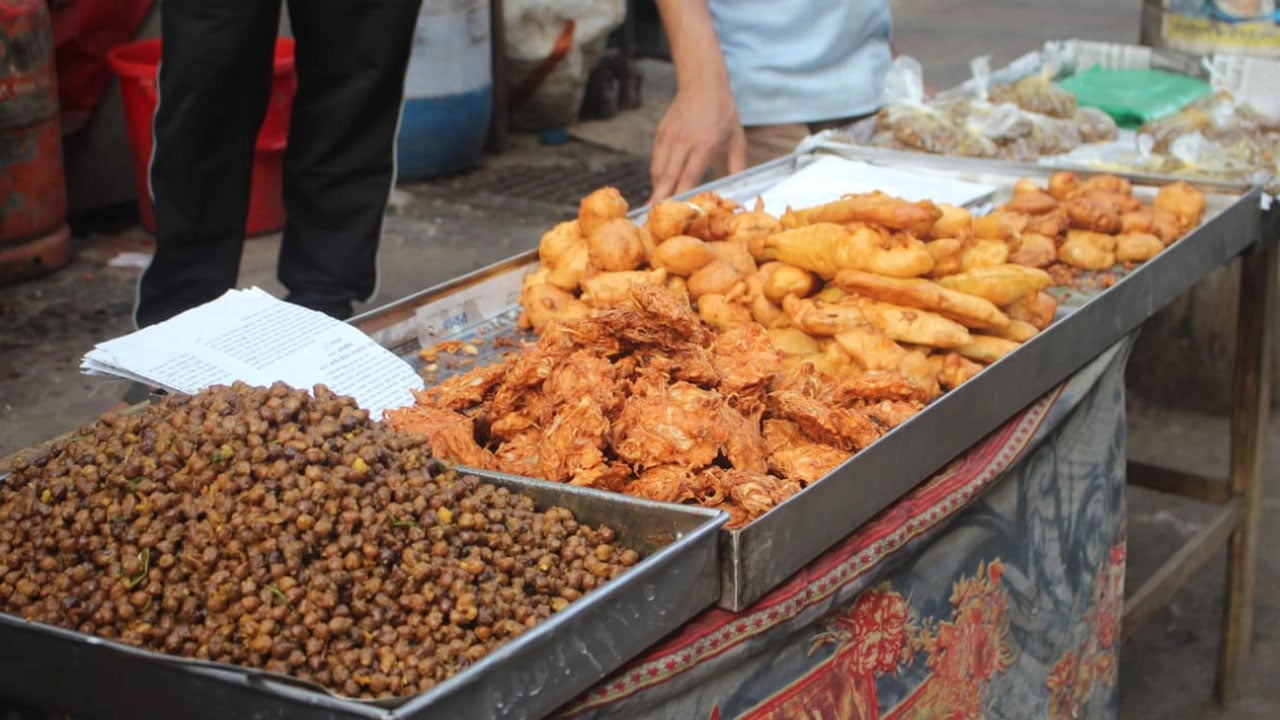
On the second day of Ramadan, vibrant roadside iftar stalls have sprung up across Dhaka, including Karwan Bazar, Shahbagh, Farmgate, Mohakhali, and Agargaon. From early afternoon, vendors prepare and sell popular items such as chickpeas, puffed rice, beguni, peyaju, potato chops, jilapi, and juices. Low- and lower-middle-income residents, along with drivers, helpers, and street vendors, gather on sidewalks or near their workplaces to break their fasts, often sharing modest meals together. Many say they cannot afford restaurant iftars and find joy in these simple gatherings.
Street vendors like Monir Hossain and Mohammad Ismail offer a range of items priced between 5 and 300 taka, while rising food prices have made even basic iftar items costly for daily wage earners. Seasonal traders and even upscale restaurants have joined the roadside market, selling fried snacks and dates under open skies. Health experts, however, warn that such foods often contain harmful colors and spices and may be contaminated by dust, posing risks of indigestion and long-term illness.
The bustling iftar trade reflects both the economic pressures and communal spirit of Ramadan in the capital.

The ‘1 Nojor’ media platform is now live in beta, inviting users to explore and provide feedback as we continue to refine the experience.