
The ‘1 Nojor’ media platform is now live in beta, inviting users to explore and provide feedback as we continue to refine the experience.
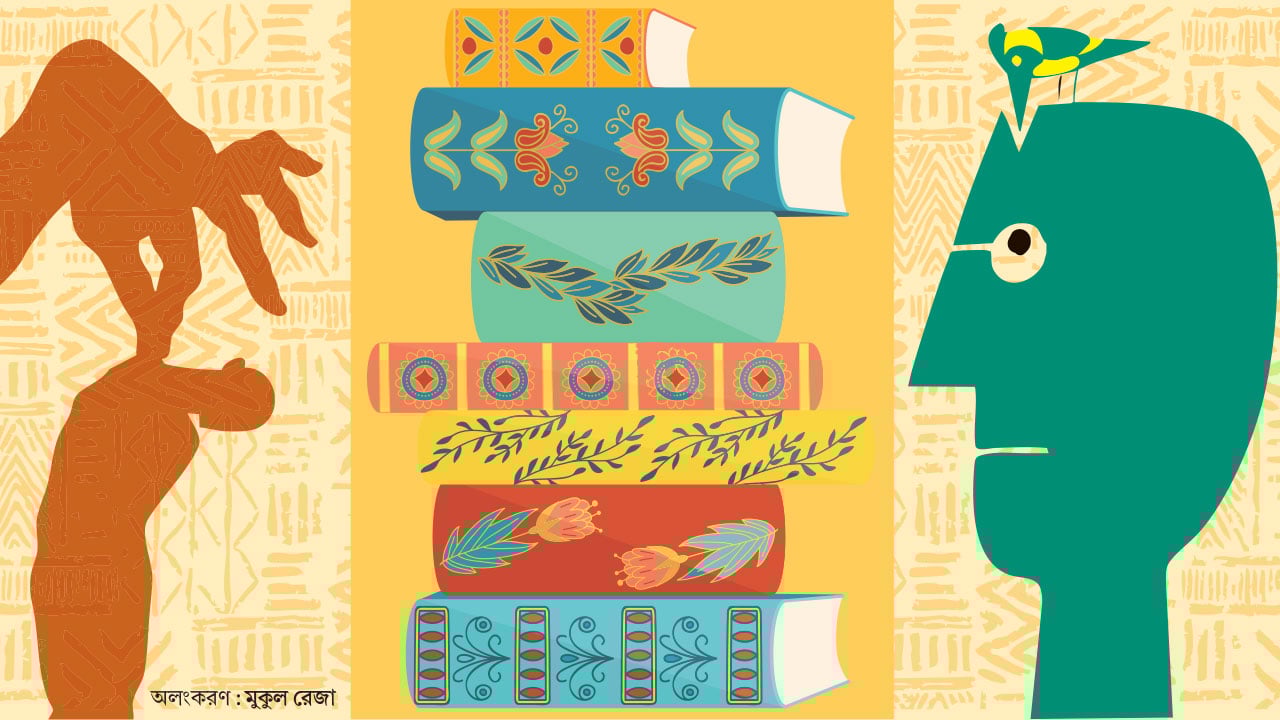
An article by Abu Sayed Kamal, published on January 24, 2026, examines how authoritarian regimes in Bangladesh—particularly military and one-party rule—have historically imposed hegemonic and fascist control over literature. It argues that state power shaped literary institutions, reader preferences, and creative expression by promoting certain narratives as national or mainstream while marginalizing dissenting voices. The essay defines literary hegemony as cultural dominance through consent and fascism as its coercive extension using censorship, fear, and exclusion.
The piece traces how state patronage turned literature into a political tool, rewarding loyal writers and sidelining critical or progressive ones. It notes that suppression led to self-censorship, creative contraction, and the marginalization of working-class, female, and ethnic minority voices. Yet, resistance literature emerged through little magazines, underground circles, and symbolic writing.
Kamal highlights the July 2024 uprising as a cultural turning point that challenged entrenched literary authority, revived marginalized voices, and redefined writers’ moral responsibility. The essay concludes that true literary freedom depends on sustaining decentralized, people-centered creative practices beyond state control.

The ‘1 Nojor’ media platform is now live in beta, inviting users to explore and provide feedback as we continue to refine the experience.