
The ‘1 Nojor’ media platform is now live in beta, inviting users to explore and provide feedback as we continue to refine the experience.
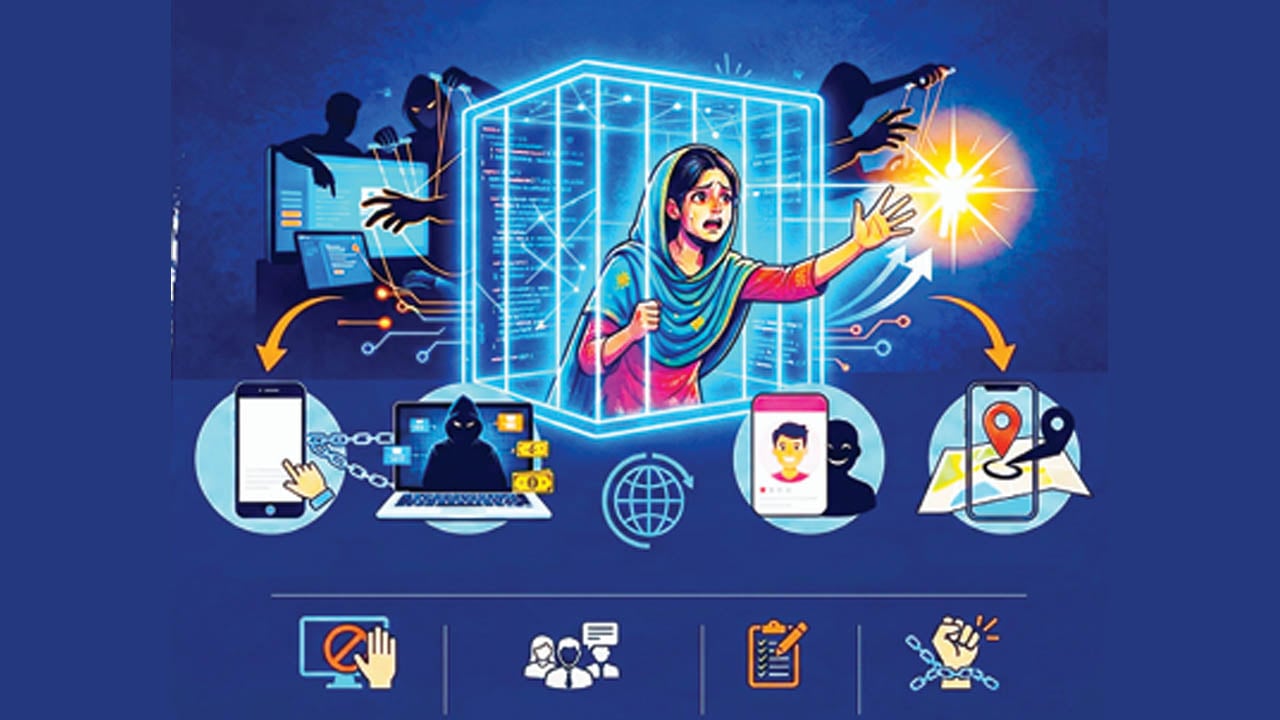
The report says human trafficking is increasingly being enabled by technology rather than relying only on borders, brokers or irregular migration routes. Traffickers use social media, encrypted messaging apps, fake websites, online job advertisements and artificial intelligence to gain trust. They lure people abroad with promises of high-paying jobs, better lives, romance or marriage, then allegedly force some into cyber fraud, online scams, abuse and modern slavery. Bangladesh is identified as being exposed to this growing risk.
Fake overseas job offers are described as the most common technology-based trafficking method. A BRAC study found that 98 percent of people who travelled abroad after job promises did not receive the promised work, while 90 percent were forced into fraudulent activities. Facebook, WhatsApp, Telegram and Messenger are cited as tools used with false identities and offers of employment, business or foreign settlement. Online romance and marriage proposals are also used, with women particularly vulnerable to sexual exploitation and forced labour.
According to BMET, 15,921 people travelled to Cambodia for employment over the past year and a half. In June, 583 Bangladeshis returned from Cambodia, with many reporting passport confiscation and forced involvement in online fraud. The report advises verifying recruiters and agencies, protecting personal information, avoiding suspicious links and using two-factor authentication.

The ‘1 Nojor’ media platform is now live in beta, inviting users to explore and provide feedback as we continue to refine the experience.