
The ‘1 Nojor’ media platform is now live in beta, inviting users to explore and provide feedback as we continue to refine the experience.
The recent Iran–United States–Israel war has triggered a major geopolitical shift across the Middle East, extending beyond military confrontation to disrupt long-standing regional security structures. Analysts compare its impact to the 1990 Iraq–Kuwait conflict and the 2003 Iraq war, suggesting a reconfiguration of power balances. Despite the United States’ extensive military presence and defense systems in the Gulf, the conflict exposed vulnerabilities, as seen when Iranian attacks temporarily disrupted about one-fifth of Qatar’s LNG export capacity.
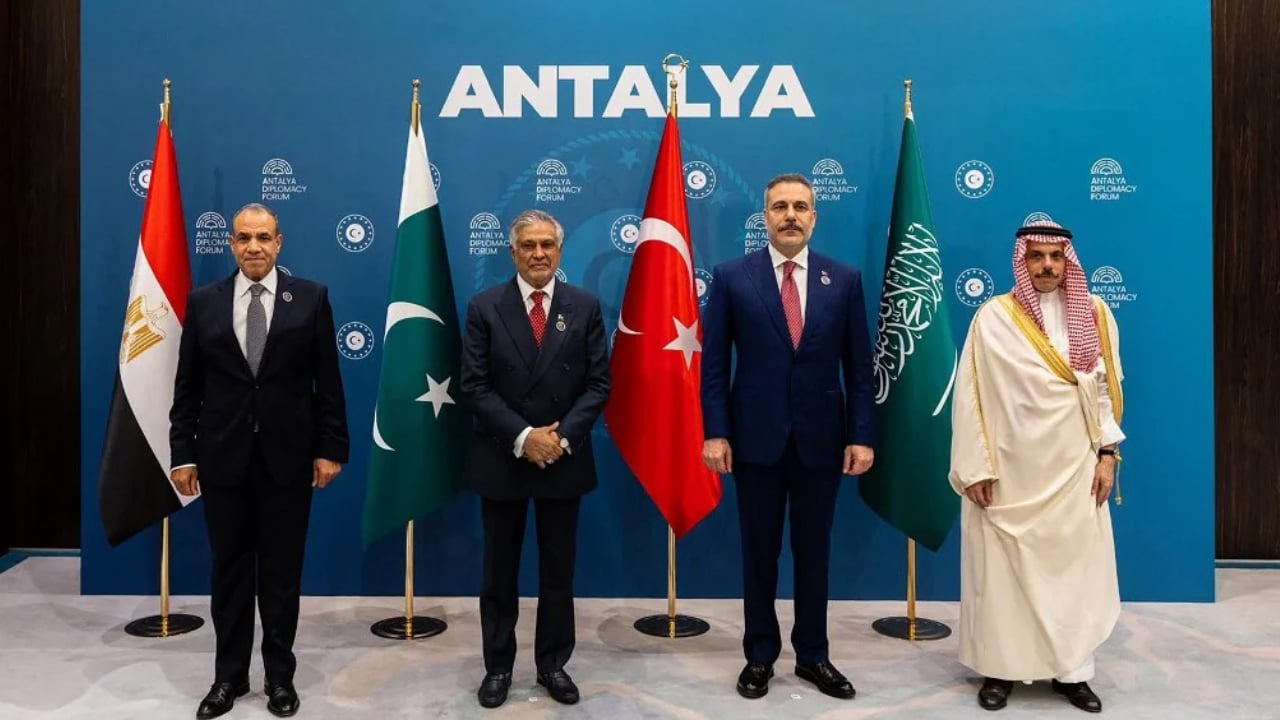
This situation is pushing Gulf states to explore alternative security frameworks. Cooperation is reportedly growing among Saudi Arabia, Turkey, Egypt, and Pakistan, whose combined economic, military, and strategic strengths could form the basis of a new regional structure. However, historical rivalries and trust deficits continue to complicate deeper alliances.
Meanwhile, Israel is rebuilding its strategic network through partnerships with the UAE, India, and Western allies, strengthening maritime and technological cooperation. The evolving landscape is marked by flexible, overlapping partnerships rather than rigid blocs, where countries collaborate in some areas while competing in others, reflecting a pragmatic and economically interdependent regional order.

The ‘1 Nojor’ media platform is now live in beta, inviting users to explore and provide feedback as we continue to refine the experience.