
The ‘1 Nojor’ media platform is now live in beta, inviting users to explore and provide feedback as we continue to refine the experience.
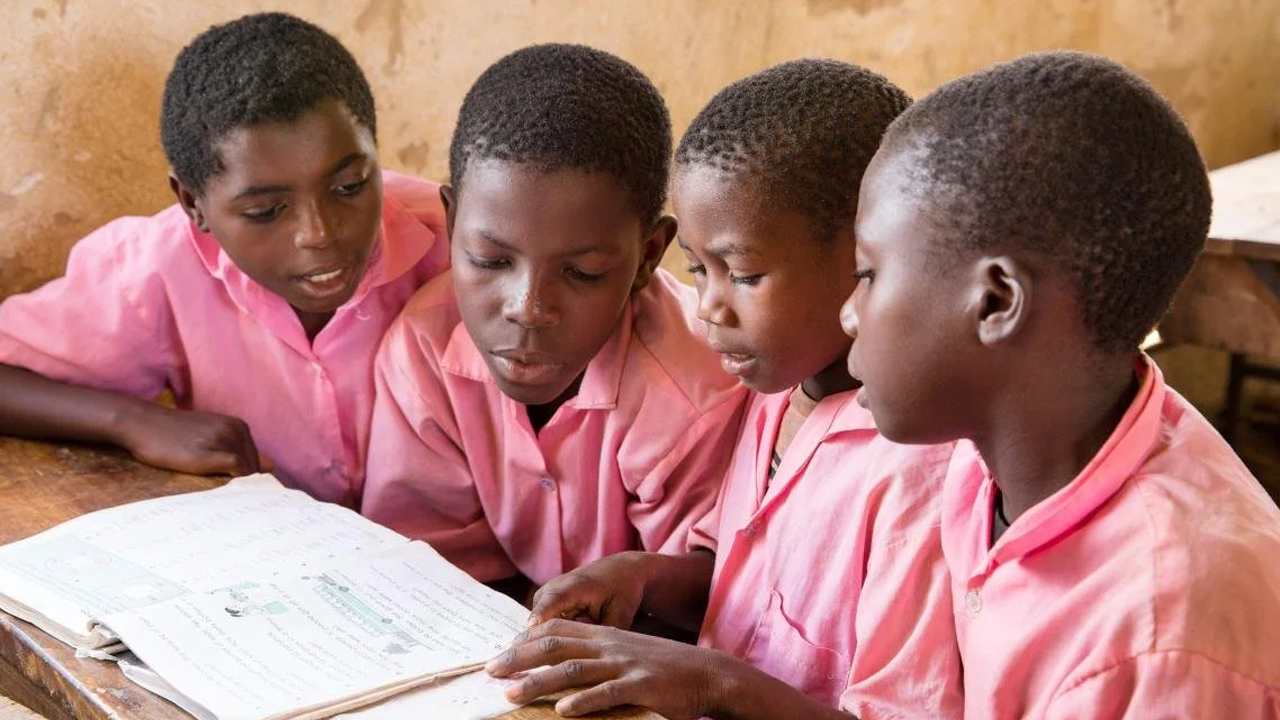
In Kenya, a growing debate over language use in education is reshaping classroom experiences. Students like Lona Chepkemoi, who returned to study fashion design at a technical college in 2023, found new confidence when lessons were taught in her native Kalenjin language alongside Swahili and English. Her experience reflects a wider global issue highlighted by UNESCO’s Global Education Monitoring report, which notes that nearly 40 percent of students worldwide are taught in languages they do not fully understand.
Kenya’s policy allows mother-tongue instruction up to grade three, after which English becomes the main medium. However, in practice, language use varies by region and teacher ability. Across Africa, colonial-era languages such as English, French, and Portuguese still dominate classrooms, even though many children speak different languages at home. UNESCO continues to advocate for mother-tongue-based multilingual education as key to improving literacy and learning outcomes.
Kenyan educators and students acknowledge the benefits of local-language instruction but also recognize the necessity of English for higher education and global employment. Balancing these competing needs remains a central challenge for the country’s education system.

The ‘1 Nojor’ media platform is now live in beta, inviting users to explore and provide feedback as we continue to refine the experience.