
The ‘1 Nojor’ media platform is now live in beta, inviting users to explore and provide feedback as we continue to refine the experience.
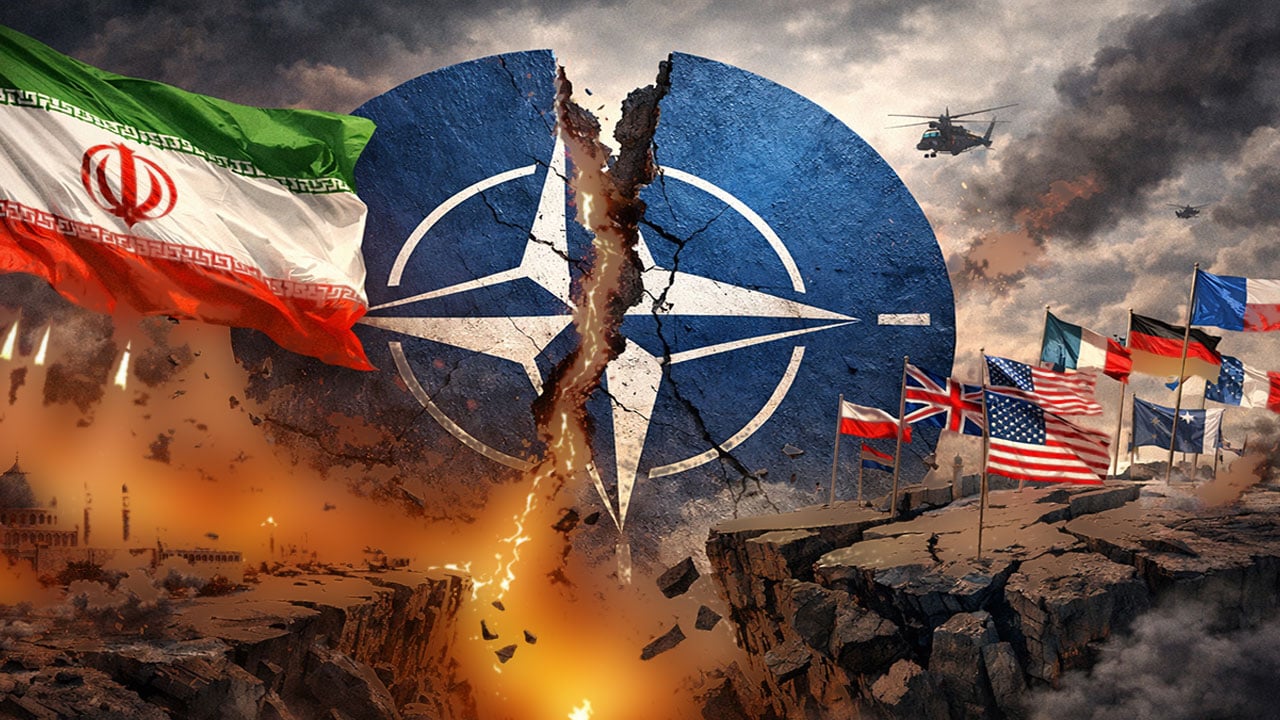
The ongoing war involving Iran, the United States, and Israel has revealed a widening structural divide within NATO, raising concerns about the alliance’s unity and long-term strategic coherence. U.S. President Donald Trump urged European NATO members to join the Iran conflict, but they refused, calling it a U.S.-Israel war. In response, Trump warned that if Europe would not stand by America, the U.S. would not stand by Europe. Analysts say this disagreement could prove more serious than any external threat NATO currently faces.
The dispute highlights differing strategic priorities between Washington and its European allies. While the U.S. views the Middle East as central to global competition, many European governments remain focused on defending Eastern Europe against Russia. European leaders fear that joining the Iran war would stretch their resources and repeat past mistakes from Iraq and Afghanistan. This divergence has created a growing duality within NATO—between those favoring global engagement and those emphasizing territorial defense.
Observers warn that if NATO fails to reconcile these conflicting visions, the alliance could transform from a unified defense organization into a fragmented system of competing priorities, undermining its credibility and cohesion.

The ‘1 Nojor’ media platform is now live in beta, inviting users to explore and provide feedback as we continue to refine the experience.