
The ‘1 Nojor’ media platform is now live in beta, inviting users to explore and provide feedback as we continue to refine the experience.
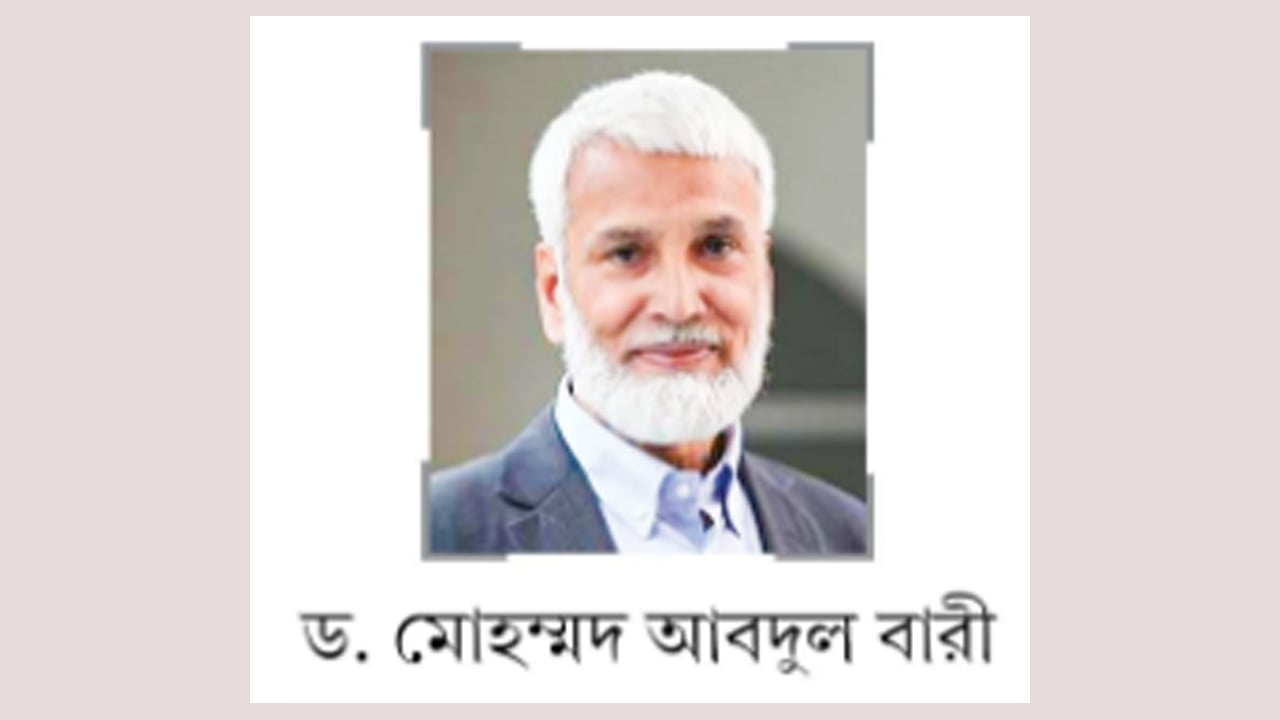
An opinion analysis by Dr. Mohammad Abdul Bari, published on May 10, 2026, examines the aftermath of Bangladesh’s July 2024 student-led uprising that ended an authoritarian government. Two years later, the movement’s inability to convert its moral momentum and mass support into a lasting political structure has raised questions about its long-term impact. Despite initial success, the youth coalition failed to perform in the February 2026 national election, exposing weak organization, unclear goals, and leadership gaps.
The article contrasts Bangladesh’s experience with Nepal’s youth movements, which achieved more sustainable influence by integrating into mainstream politics and pursuing gradual reform. In Bangladesh, entrenched elites, persistent corruption, and unresolved youth unemployment have limited transformation. The piece argues that spontaneous mobilization alone cannot sustain governance and that the same decentralized leadership that fueled the uprising now hinders institutional progress.
Dr. Bari concludes that Bangladesh’s youth must shift from protest to structured political participation. The uprising changed national consciousness, but its true success will depend on building durable institutions and translating awareness into state capacity.

The ‘1 Nojor’ media platform is now live in beta, inviting users to explore and provide feedback as we continue to refine the experience.