

Web Analytics
Bangla
Loading date...
RECENT THREADS SOCIAL PAGE LOGIN

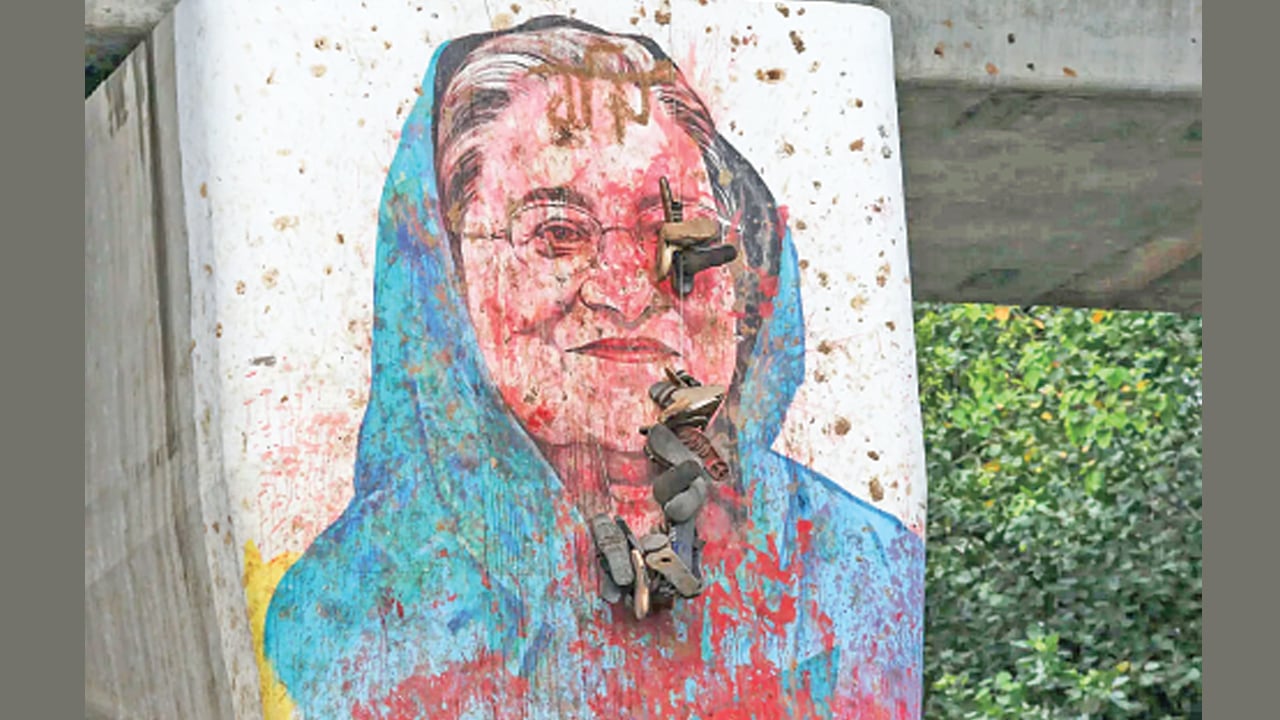
In a commentary published on July 5, 2026, journalist M Abdullah argues that Bangladesh’s former authoritarian regime under Sheikh Hasina relied not only on state power but also on a network of cultural collaborators who legitimized repression through art, academia, and media. The article claims that these 'cultural fascists'—including intellectuals, artists, and bureaucrats—helped normalize state violence and suppress dissent during fifteen years of rule.

The author warns that even after the regime’s fall following the 2024 July uprising, many of these figures remain active, attempting to rewrite history and rehabilitate the fallen order. Some are accused of using media platforms to question the legitimacy of the uprising and to portray the previous regime more favorably. Such narratives, the article contends, risk eroding public trust in ongoing democratic reforms and could psychologically prepare the ground for authoritarian resurgence.

The piece concludes that safeguarding the revolution’s achievements requires confronting these cultural and intellectual enablers of fascism to prevent its ideological and institutional return.

Card image

News Source

Amar Desh 05 Jul 26

কালচারাল ফ্যাসিস্টদের আস্ফালনের হেতু কী | আমার দেশ

এম আবদুল্লাহ প্রকাশ : ০৫ জুলাই ২০২৬, ০৮: ৩৯ একটি ফ্যাসিস্ট বা স্বৈরাচারী শাসনব্যবস্থা শুধু পুলিশ, র‍্যাব, সামরিক বা সিভিল প্রশাসনের জোরে টিকে থাকে না; এর পেছনে প্রয়োজন হয় একটি শক্তিশালী কালচারাল বা সাংস্কৃতিক কাঠামো, যা সেই শাসনের অত্যাচার-অনাচার,


The ‘1 Nojor’ media platform is now live in beta, inviting users to explore and provide feedback as we continue to refine the experience.