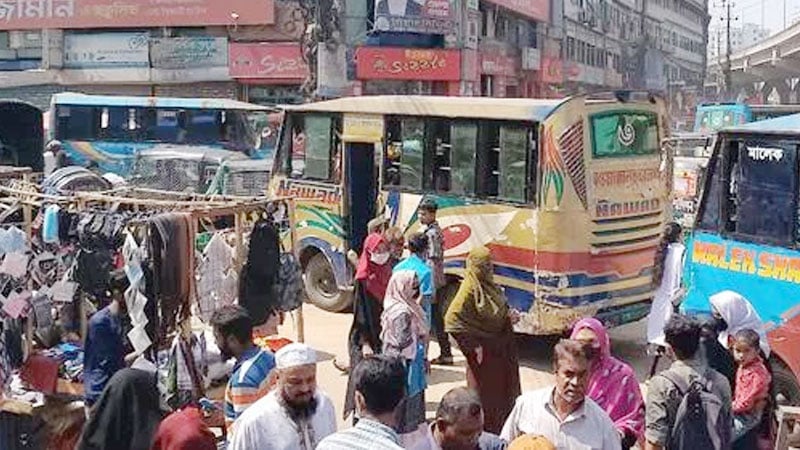
Chattogram’s public transport system has effectively deteriorated, leaving residents increasingly dependent on small three-wheeled vehicles with 12 to 14 seats as regular large buses become scarce on major routes. Areas including Bahaddarhat, Muradpur, GEC, Agrabad, Alankar, AK Khan and Patenga have few regular large buses, while limited services between Bahaddarhat and Agrabad cannot meet passenger demand. Many large buses operate during peak hours mainly for garment factory workers, worsening shortages for other commuters.
Bangladesh Road Transport Authority data show 17 bus and minibus routes in Chattogram metropolitan area, with 2,900 route permits, including 803 buses without fitness certificates. The city has approvals for 1,130 buses and minibuses, 2,158 tempos, 969 human haulers and 13,000 CNG autorickshaws. Transport-related stakeholders say unregistered small vehicles add pressure, citing at least 10,000 unauthorized CNG autorickshaws and more than 50,000 battery-powered rickshaws.
Traffic police data show average vehicle speed has dropped from 21 kilometres per hour about 12 years ago to five kilometres per hour. Experts called for a planned route-based bus network, designated stops, scheduled services, route franchises and more new buses. Police said enforcement against unfit and unauthorized vehicles, illegal stops and road occupation is continuing.