

Web Analytics
Bangla
Loading date...
RECENT THREADS SOCIAL PAGE LOGIN

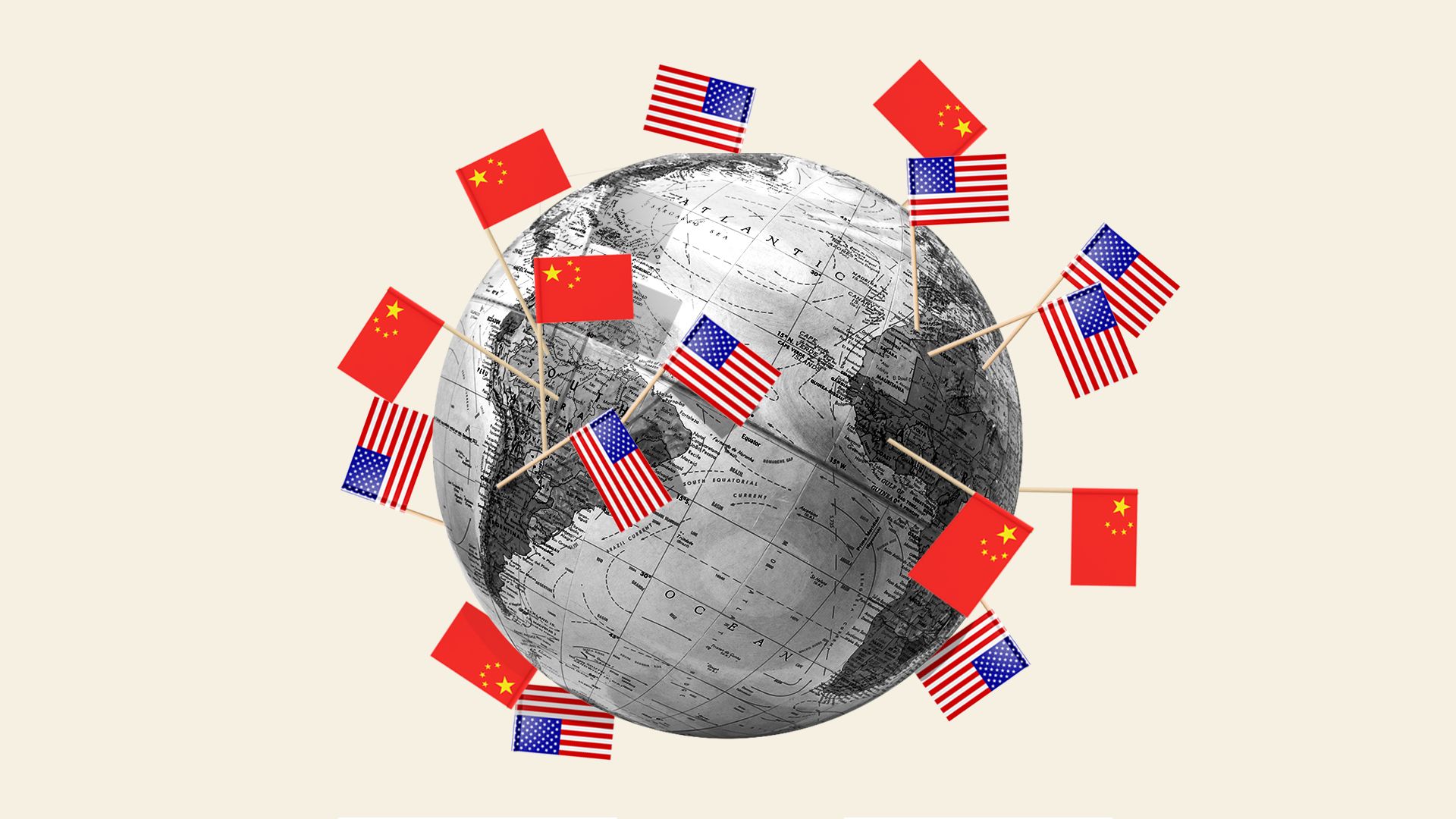
The Trump administration is reportedly considering new measures that could effectively ban or restrict the use of advanced Chinese artificial intelligence models in the United States. According to sources cited by Axios, internal discussions have resurfaced following the rapid rise of the Chinese open-source model Kimi. The Commerce Department, National Security Agency, and White House cyber offices previously explored actions such as adding Chinese AI labs to the Entity List, issuing advisories, or requiring U.S. companies to assume liability for hosting Chinese models. Although earlier efforts were halted to avoid stifling innovation, renewed momentum is building among national security officials.

The administration’s current approach appears to favor indirect pressure rather than an outright ban. Sources described strategies including procurement rules, public warnings about security risks, and campaigns to encourage reliance on domestic AI ecosystems. Pro-competition advocates, including outside adviser David Sacks, have warned that such measures could entrench dominant U.S. firms like OpenAI and Anthropic while undermining open-source innovation.

The debate reflects a broader struggle between national security priorities and market competition as Chinese AI capabilities advance and U.S. policymakers weigh how to respond.

Card image

News Source

tinyurl.com 22 Jul 26

Trump administration reportedly reviving push to ban Chinese AI models following Kimi K3 launch, citing cybersecurity concerns

The Trump administration is reportedly reviving efforts to restrict Chinese AI models such as Kimi K3 and DeepSeek, citing cybersecurity concerns. Officials are considering measures including trade restrictions, security advisories, and potential liability for U.S. companies using Chinese-hosted AI. The renewed push follows the release of Moonshot AI’s open-weight Kimi K3 model, which businesses can download and run on private servers. Critics argue a ban would reduce competition, strengthen the dominance of companies like OpenAI and Anthropic, and slow innovation. They also note that because these models are openly downloadable and self-hostable, enforcing a nationwide ban would be difficult as adoption continues to grow.


The ‘1 Nojor’ media platform is now live in beta, inviting users to explore and provide feedback as we continue to refine the experience.