

Web Analytics
Bangla
Loading date...
RECENT THREADS SOCIAL PAGE LOGIN

Egyptian writer Hossam al-Hamalawy, in his book discussed with Middle East Eye, argues that Egypt’s 2011 revolution against Hosni Mubarak’s rule did not end dictatorship but instead paved the way for a harsher, more centralized, and violence-driven system under President Abdel Fattah el-Sisi. He describes how Egypt’s security apparatus evolved from Mubarak’s fragmented police state into a unified structure designed to prevent any future mass uprising.

The author, drawing from personal experience of arrest and surveillance, explains that Mubarak’s regime relied on police power to suppress dissent, while the 2011 uprising exposed the fragility of that system. The military, he notes, intervened not to support democracy but to preserve the state. Subsequent governments, including the Muslim Brotherhood under Mohamed Morsi, failed to reform the security institutions, ultimately enabling the 2013 coup.

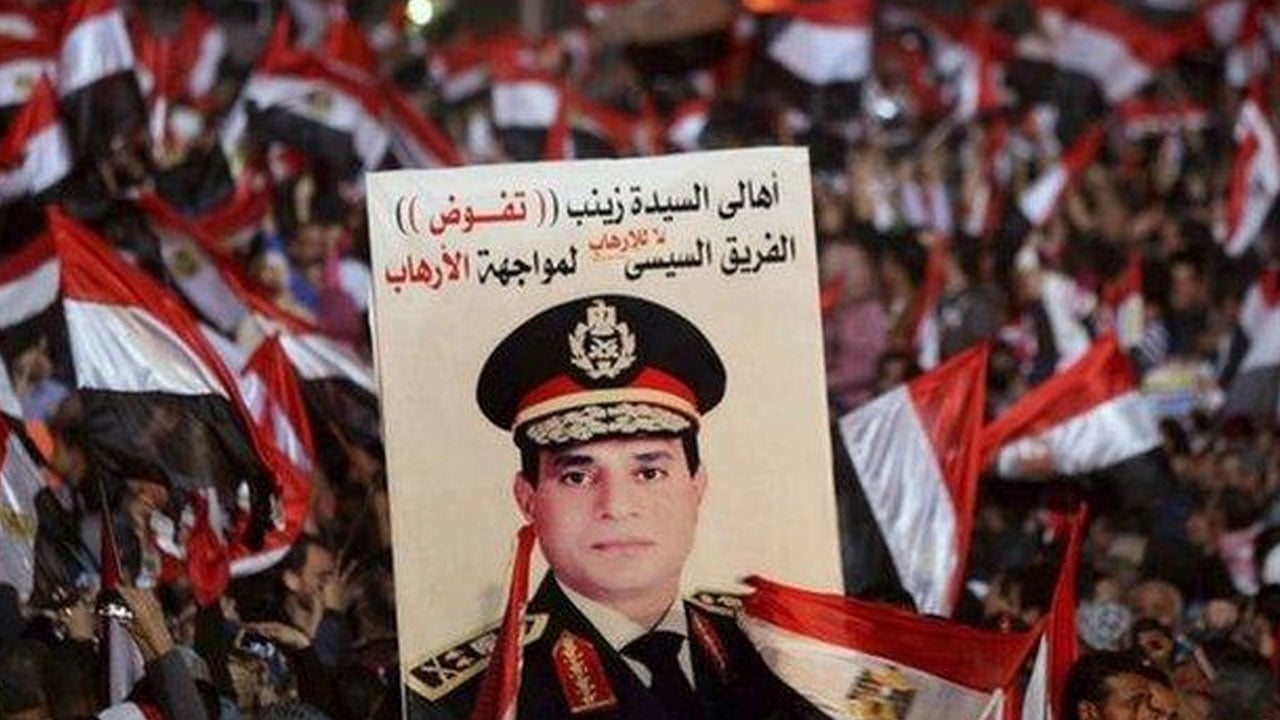
Under Sisi, Egypt’s repressive institutions were consolidated into what Hamalawy calls a “new republic.” Military and intelligence agencies became deeply embedded in civilian administration, media, and urban planning, transforming the state into a tightly controlled security apparatus aimed at preventing collective resistance.

Card image

News Source

Amar Desh 24 Apr 26

মিশরে প্রতিবিপ্লব: যেভাবে নতুন প্রজাতন্ত্রের স্বপ্ন ভেঙে দিলেন সিসি | আমার দেশ

আমার দেশ অনলাইন প্রকাশ : ২৪ এপ্রিল ২০২৬, ২২: ৩৬আপডেট : ২৪ এপ্রিল ২০২৬, ২২: ৩৯ মিশরীয়রা যখন ২০১১ সালে হোসনি মুবারকের শাসনের বিরুদ্ধে বিদ্রোহ করেছিল, তখন মিশরীয় লেখক হোসাম আল হামালাউয়ির মতো অনেকেই বিশ্বাস করে যে তারা একটি একনায়কতন্ত্রের অবসানের সাক্


The ‘1 Nojor’ media platform is now live in beta, inviting users to explore and provide feedback as we continue to refine the experience.