

Web Analytics
Bangla
Loading date...
RECENT THREADS SOCIAL PAGE LOGIN

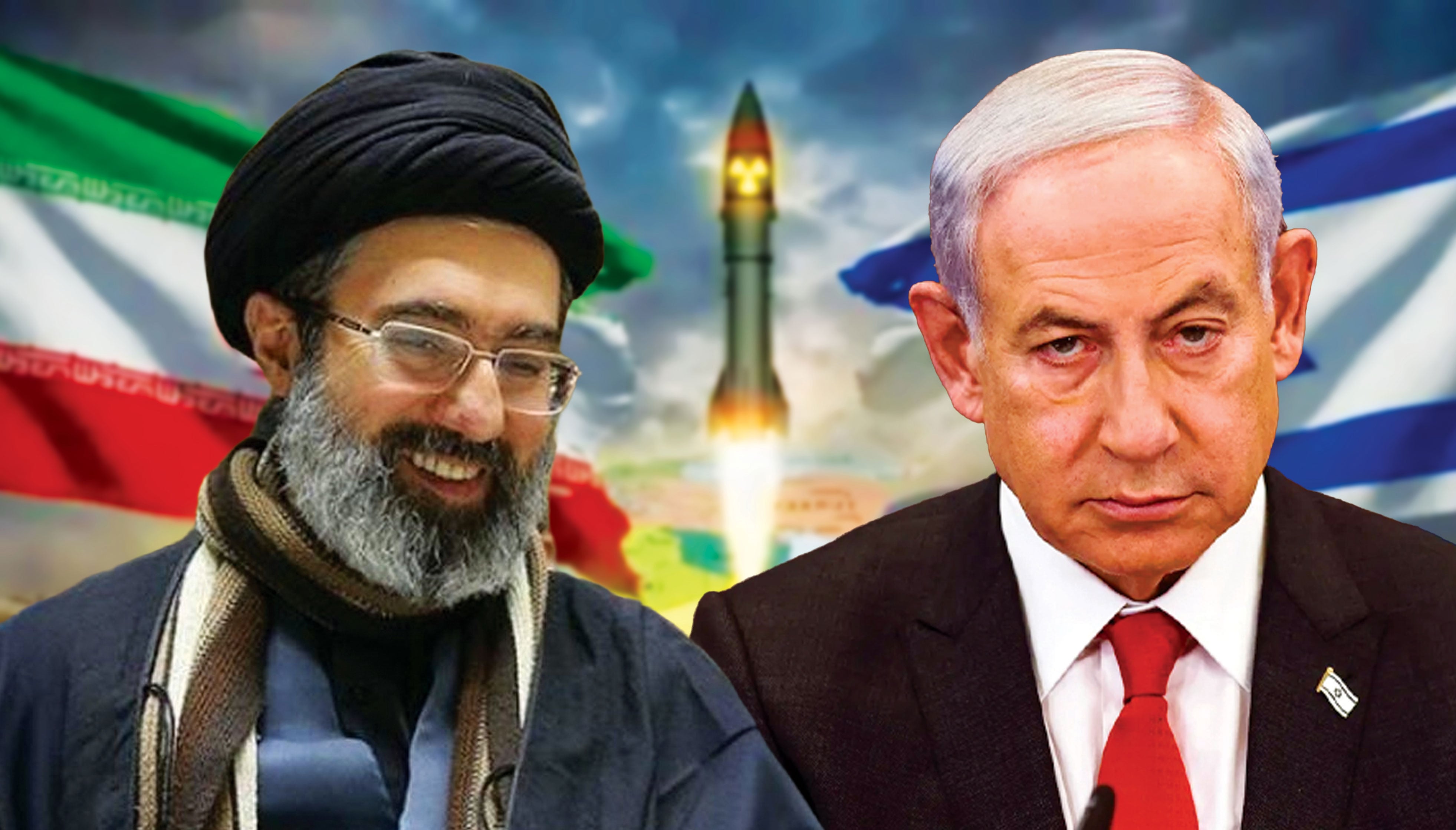
Israel and Iran engaged in a brief but intense confrontation lasting less than 15 hours from Sunday to Monday, which ended under pressure from U.S. President Donald Trump. The conflict began after Hezbollah launched rockets into Israel, prompting Israeli strikes on Beirut’s southern suburbs. Iran retaliated by firing around 30 missiles at Israel, while its Yemeni ally, the Houthis, also launched a missile and threatened Israeli-linked ships in the Red Sea. The rapid ceasefire highlighted Israel’s limited freedom of action and its reliance on Washington’s mediation.

Analysts cited in the report said the episode revealed a new strategic equation in which Iran feels emboldened, believing Trump does not want another war. Israeli Prime Minister Benjamin Netanyahu initially gained political leverage by appearing defiant toward Trump, who had criticized Israel’s strikes, but the quick halt to hostilities underscored his dependence on U.S.-led peace efforts. Israeli experts warned that any future U.S.-Iran deal might fail to fully block Tehran’s nuclear ambitions while strengthening its regional influence.

The incident reinforced concerns in Israel that ultimate control over escalation and de-escalation with Iran rests largely with the U.S. president.

Card image

News Source

Amar Desh 09 Jun 26

ইরানের সঙ্গে ১৫ ঘণ্টার যুদ্ধে যে শিক্ষা পেল ইসরাইল | আমার দেশ

আমার দেশ অনলাইন প্রকাশ : ০৯ জুন ২০২৬, ১৩: ১৬আপডেট : ০৯ জুন ২০২৬, ১৩: ৩৩ ইসরাইলের প্রধানমন্ত্রী বেনিয়ামিন নেতানিয়াহুর জন্য রোববার ইরানের সঙ্গে নতুন করে লড়াই শুরু হওয়াটা সাময়িকভাবে তার সমর্থকদের কাছে এই বার্তা দেওয়ার সুযোগ হতে পারে যে, তিনি এখনো প্রে


The ‘1 Nojor’ media platform is now live in beta, inviting users to explore and provide feedback as we continue to refine the experience.