

Web Analytics
Bangla
Loading date...
RECENT THREADS SOCIAL PAGE LOGIN

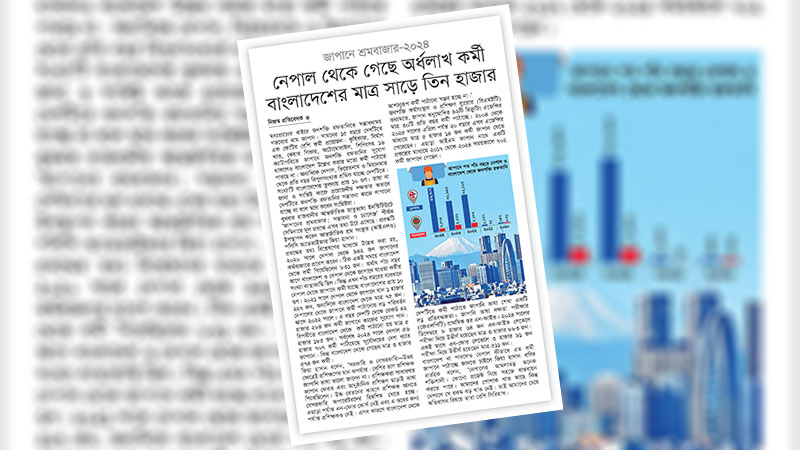
Japan faces a severe labor shortage due to its aging population and declining birthrate, increasing demand for skilled foreign workers proficient in Japanese. While Nepal sends around 50,000 workers annually, Bangladesh has only managed 3,500 due to inadequate language skills, training, and bureaucratic challenges. Experts urge Bangladesh to improve Japanese language education and streamline visa processes to boost manpower exports. Effective government and private sector cooperation is vital to tap into Japan’s vast labor market and reduce unemployment at home.

Card image

News Source

Bonik Barta 04 Jul 25

Japan Labor Market 2024: 50,000 Workers from Nepal, Only 3,500 from Bangladesh Emphasis Needed on Training and Language Skills to Boost Manpower Export

Japan, Asia’s second-largest economy, is currently facing a severe labor shortage. One of the main reasons for this shortage is its aging population coupled with a declining birth rate. As the elderly population grows, the number of working-age people is decreasing. The low birth rate today is causing a future shortage of young, employable workers. Being a highly industrialized country, Japan relies heavily on labor for production, technology, healthcare, construction, and other sectors. Due to insufficient local workers, production and service sectors are encountering difficulties.


The ‘1 Nojor’ media platform is now live in beta, inviting users to explore and provide feedback as we continue to refine the experience.