

Web Analytics
Bangla
Loading date...
RECENT THREADS SOCIAL PAGE LOGIN

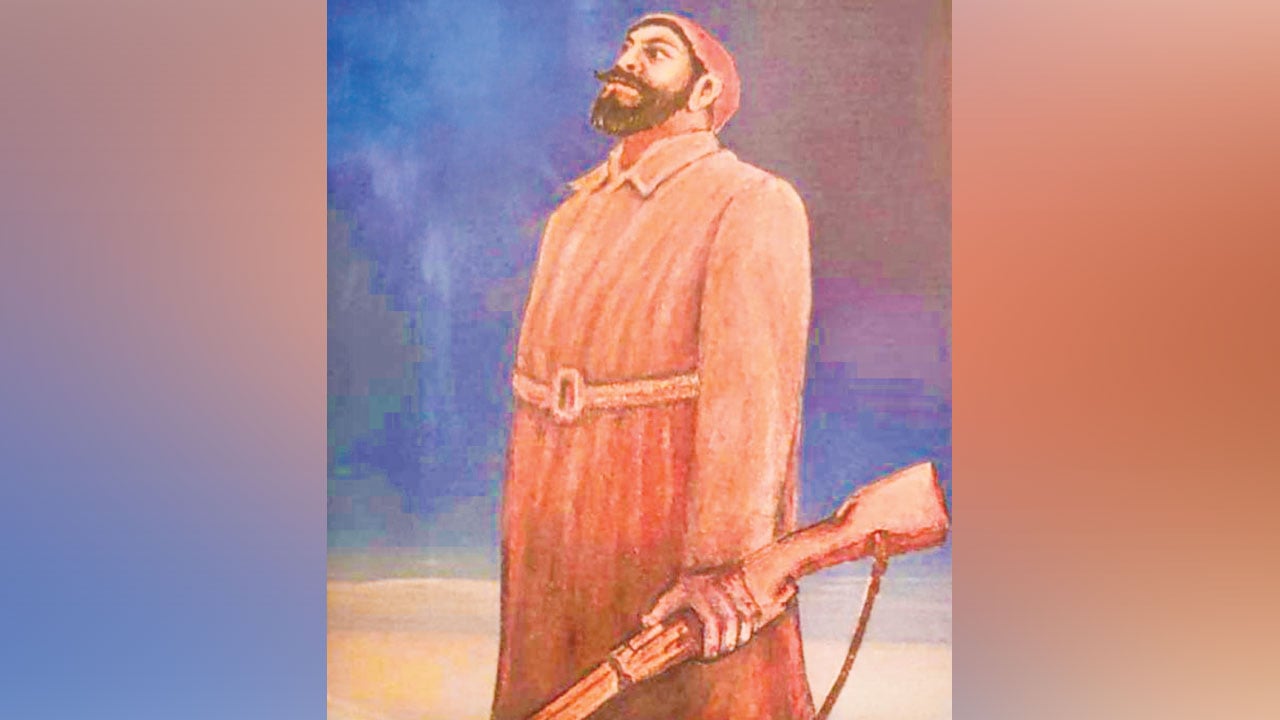
The article recounts the story of Habilder Rajab Ali Khan, a key but largely forgotten leader of the 1857 Sepoy Rebellion in Chittagong, southeastern Bengal. On November 18, 1857, Rajab Ali led about 400 soldiers of the 34th Native Bengal Infantry in an armed revolt against British rule. His forces freed imprisoned freedom fighters, seized the treasury and arsenal, and held Chittagong free of British control for nearly 30 hours before retreating toward Tripura and Sylhet. The final battle took place on January 9, 1858, at Malegarh Hill in Karimganj, where around 70 sepoys were killed.

Historians differ on Rajab Ali’s origins and fate. Some accounts suggest he disappeared into the forests of Manipur after the defeat, while others claim he was captured and executed in Chittagong, though no British records confirm this. Despite his strategic leadership and prolonged resistance, Rajab Ali remains overshadowed by figures like Mangal Pandey.

Local historians and residents continue to demand official recognition, including renaming Chittagong’s parade ground after him and adding his biography to textbooks, to restore his place in national history.

Card image

News Source

Amar Desh 08 Jan 26

চট্টগ্রামের এক ভুলে যাওয়া বিদ্রোহী | আমার দেশ

নাসরুল্লাহ ইবনে ইলিয়াস প্রকাশ : ০৮ জানুয়ারি ২০২৬, ১১: ২৭আপডেট : ০৮ জানুয়ারি ২০২৬, ১১: ২৭ নাসরুল্লাহ ইবনে ইলিয়াস ১৮৫৭ সালের সিপাহি বিপ্লব উপমহাদেশের ইতিহাসে গুরুত্বপূর্ণ ঘটনা। এই বিদ্রোহ ও বিপ্লব কেবল উত্তর বা মধ্য ভারতের দিল্লি, মিরাঠ কিংবা কানপুরে


The ‘1 Nojor’ media platform is now live in beta, inviting users to explore and provide feedback as we continue to refine the experience.