

Web Analytics
Bangla
Loading date...
RECENT THREADS SOCIAL PAGE LOGIN

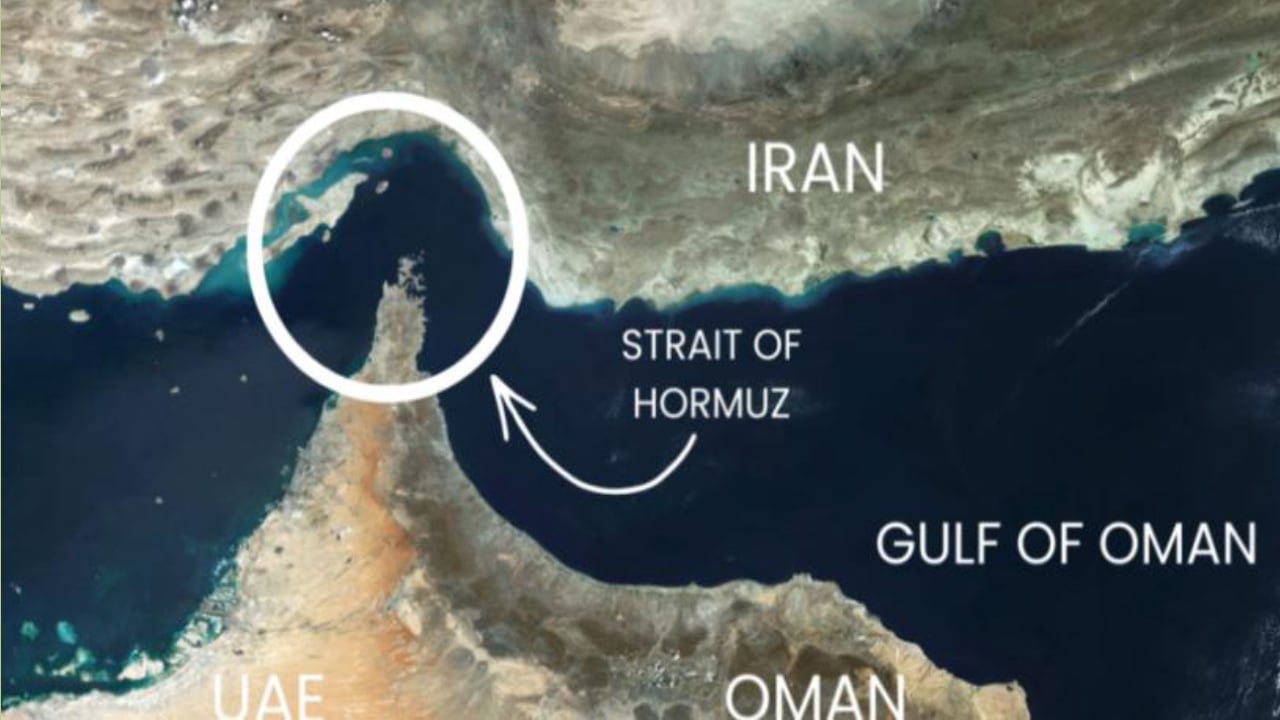
An analysis published by South Asia Monitor on August 28, 2026 examines why Iran had long avoided fully closing the Strait of Hormuz despite repeated threats, and why calculations changed after the 2026 Iran-US conflict. Retired Brigadier Sanjay Agarwal described a complete closure as Iran’s “last weapon,” because the narrow waterway carries much of the Persian Gulf’s oil and gas to global markets while also serving Iran’s own trade and oil exports.

The analysis says a full blockade would reduce Iran’s oil exports and foreign-exchange income, disrupt imports of food and essential goods, intensify international pressure, and increase the risk of military action by the United States and its allies. Instead, Iran has sought leverage through ship controls, warnings, inspections, patrols and restrictions on particular vessels. In May 2026, the Revolutionary Guard said passage through Hormuz was occurring with its permission and coordination.

The source says US efforts to protect navigation and Iranian efforts to maintain control have made Hormuz a direct military flashpoint. It cites US strikes on Iranian missile-launch sites on Larak Island on August 31 and subsequent Iranian retaliation. Prolonged instability could encourage alternative export routes, while raising energy-price risks for Asian importers, including Bangladesh.

Card image

News Source

Amar Desh 01 Sep 26

যুদ্ধ, অর্থনীতি ও কূটনীতির প্রধান ক্ষেত্র এখন হরমুজ

ইরান কেন দীর্ঘদিন ধরে হরমুজ প্রণালি পুরোপুরি বন্ধ করার হুমকি দিলেও, বাস্তবে একে সম্পূর্ণভাবে বন্ধ করা থেকে বিরত ছিল; এবং ২০২৬ সালের যুদ্ধের পর কেন সেই হিসাব বদলে যায়? কারণ, হরমুজ বন্ধ করা ইরানের জন্য একটি ‘শেষ অস্ত্র’। প্রণালিটি বন্ধ করলে শুধু যুক্ত


The ‘1 Nojor’ media platform is now live in beta, inviting users to explore and provide feedback as we continue to refine the experience.